.png)
Selling a Rolex in the UK: the fastest and safest routes
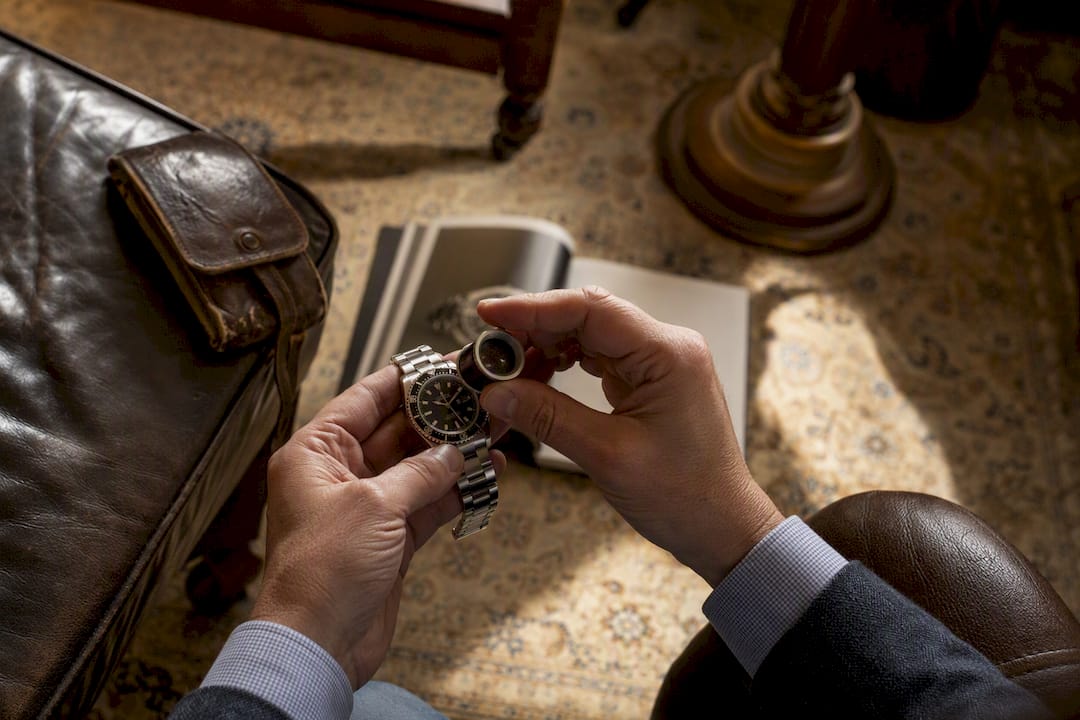
If you need cash quickly, a specialist UK dealer will usually pay you within days of inspection. If you want the highest net price, a private sale or a dedicated marketplace tends to pay more but takes longer, and rare or historically significant references often do best at auction or through consignment. Choosing between them comes down to one question: what matters more to you, speed, price or discretion?
The sections below cover exactly how valuation works, which channel suits your priorities, how to prepare the watch, and how to accept an offer without exposing yourself to fraud.
Fastest and safest: a specialist UK dealer, with inspection and bank transfer often completed within a working week
Best net price: private sale or a specialist marketplace, though this takes longer and carries more risk
Best for rare pieces: auction or consignment, where competitive bidding can outperform a fixed dealer offer
Key Takeaways
Selling a Rolex in the UK rewards sellers who match their choice of channel to their real priority, speed, price or discretion, rather than defaulting to whichever option they heard of first.
Point | Details |
Know your reference first | Confirm the exact model and serial number before requesting any valuation. |
Documentation drives premium | Box, papers and service records typically add meaningful value, while aftermarket parts reduce it. |
Match channel to priority | Dealers suit speed, private sale suits net price, auction suits rare or historic references. |
Never ship before terms agreed | Insist on a firm written offer, insured courier and cleared funds before parting with the watch. |
Horology Kings balances the trade-off | Offers specialist valuation, insured handling and secure bank transfer for sellers who want price and safety together. |
Table of Contents
Selling a Rolex UK: how valuation actually works
Every offer starts with four questions: what model is it, what condition is it in, what documentation comes with it, and how rare is it? Get these right before you approach anyone, and you walk into the conversation with leverage rather than hope.
Model and reference matters more than most sellers expect. Steel sports references such as the Submariner, GMT-Master II and Daytona typically hold value better than dress watches in the current UK secondary market, purely because demand outstrips supply. A dealer will ask for the reference number and serial number almost immediately, so find them before you make contact.
Condition and originality come next. Unpolished cases, original bracelets with minimal stretch, and factory-fitted parts all support a stronger offer. Once a case has been polished, sharp edges and engraved reference numbers can soften permanently, and that loss of originality is one a buyer will price in.
Box, papers and service history add a genuine premium in most dealer assessments, while aftermarket parts do the opposite and pull the offer down, according to dealer valuation guides. A full set with original receipts signals a well-cared-for watch, not just a complete one.
Provenance and rarity decide whether a watch belongs at auction at all. Sotheby’s recommends combining expert authentication with genuine market exposure for pieces with a documented history or limited production run, because that route reaches the specific collectors willing to pay for it.
Photograph the reference and serial numbers clearly
Gather every original document: warranty card, receipts, service records
Note anything unusual: a discontinued dial colour, a retailer stamp, an early bracelet code
Check comparable sold prices for your exact reference before contacting anyone
Pro Tip: Don’t guess your reference number from memory. Photograph it under good light and cross-check it against a reliable reference database before you request a valuation, as a single digit can shift the model and the price.
Where to sell a Rolex in the UK: channels compared
Every selling channel trades speed against price, and none of them gives you both. Here is what each one actually costs you.
Specialist dealers offer the most certainty. You typically get an instant online valuation, followed by an in-person inspection and payment by bank transfer within a few working days. The trade-off is a margin below open-market value, because the dealer is buying to resell.
Consignment and auction houses suit rare or desirable references. Fees and timelines run longer, sometimes weeks rather than days, but competitive bidding among specialist collectors can outperform a flat dealer offer for the right watch.
Online marketplaces and private sale often deliver the highest headline price. Platforms increasingly offer authenticity checks or escrow arrangements that reduce buyer risk, though usually at a fee, and you carry more of the transaction risk yourself, including payment and shipping.
Pawn or loan options exist for genuinely urgent cash needs, but they cost the most relative to the watch’s value and are rarely the right choice unless you need funds within hours.
Picture a £10,000 Submariner. A dealer offer arrives fast but sits below market value. A private sale might land closer to full retail resale value, minus your own time and risk. An auction result depends entirely on who’s bidding that day. Market guides consistently advise matching the channel to your priority rather than chasing the highest number on paper.
Preparing your watch before you sell
Buyers pay for confidence as much as condition, so preparation is where you close the gap between a mediocre offer and a strong one.
Gather your documentation. Box, warranty card, receipts and service records all matter, and a complete set is worth assembling before you approach anyone.
Leave the case alone. Avoid polishing unless a specialist genuinely recommends it. It can strip original finishing and reduce, rather than improve, the value a knowledgeable buyer places on the watch.
Photograph properly. Capture the dial straight on, the case from multiple angles, the clasp and bracelet stretch, and the reference and serial numbers clearly. Poor photos invite lower offers because they invite doubt.
Think twice before a full service. A non-functional watch may need attention, but paying for a full service purely to make it more sellable often costs more than the uplift it produces.
Our Rolex selling guide goes deeper on presentation if you want a second pass before listing.
How do you know an offer is safe to accept?
Never ship a watch before you have a written, firm offer in hand. That offer should state the exact price, what happens after inspection, and the payment timeline in plain terms.
Insist on a firm written offer before any watch leaves your hands.
Expect authentication and inspection to happen quickly, often the same day the watch arrives with a reputable UK dealer, with final payment following once verified.
Wait for a cleared GBP bank transfer before considering the sale complete, and use an escrow service where a marketplace offers one.
Use an insured courier with tracking and signature requirements, and ask for video verification of the handover where possible.
Treat pressure to ship faster, requests for unusual payment methods, or a buyer who won’t complete identity checks as a hard stop.
Pro Tip: If a buyer’s payment terms feel rushed or vague, ask them to put the full process in writing before you send anything. A serious buyer will never object to that request.
What should you expect during negotiation?
An offer is rarely the final word, it’s a starting point for a conversation grounded in evidence.
Ask for the breakdown. A fair buyer will explain how they arrived at the figure, including their margin against comparable sold prices, so ask for that justification directly.
Bring your own data. Recent comparable sales for your exact reference are your strongest negotiation tool, stronger than simply asking for “a bit more”.
Consider conditional acceptance. Agreeing in principle, pending physical inspection, protects both sides and is standard practice among UK dealers.
Weigh consignment fees against time. They’re only worth paying when the extra reach genuinely lifts the final price beyond what a dealer offer would give you.
Complete the paperwork properly. A signed receipt, an invoice, and confirmation of cleared funds close the transaction cleanly and protect you if any question arises later.
Our guide on negotiating watch sales covers specific phrasing that tends to work.
Why Horology-kings is a trusted route for UK sellers
Most sellers underestimate how much safety is worth against a slightly higher headline offer elsewhere. A private sale might pay more on paper, but it puts authentication, shipping risk and payment security entirely on your shoulders.
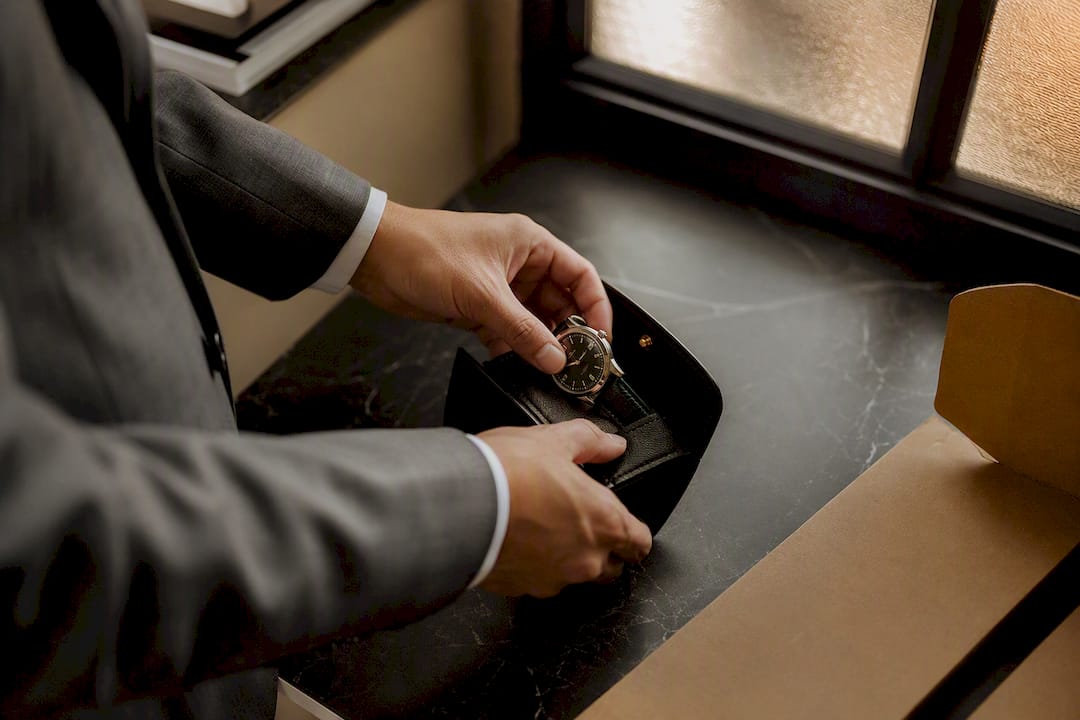
Specialist UK dealers exist precisely to remove that burden while still paying a fair price, which is why Horology Kings built its process around expert valuation, insured handling and secure UK bank transfers. Sellers get a professional inspection, a transparent explanation of how the offer was reached, and funds cleared without chasing a stranger for payment. For anyone weighing speed against risk, that middle ground is usually the right call, especially for higher-value references where a slow private sale carries real exposure.
If you’re ready to find out what your watch is worth, request a valuation directly, or explore sourcing a specific model if you’re buying as well as selling.
Ready to sell your Rolex the right way?
There are several routes open to you, a private sale for a higher headline price, an auction house for a rare reference, a quick pawn loan if you’re desperate for cash by Friday. Each comes with a trade off you now understand: more money for more risk and more waiting, or speed for a smaller margin.
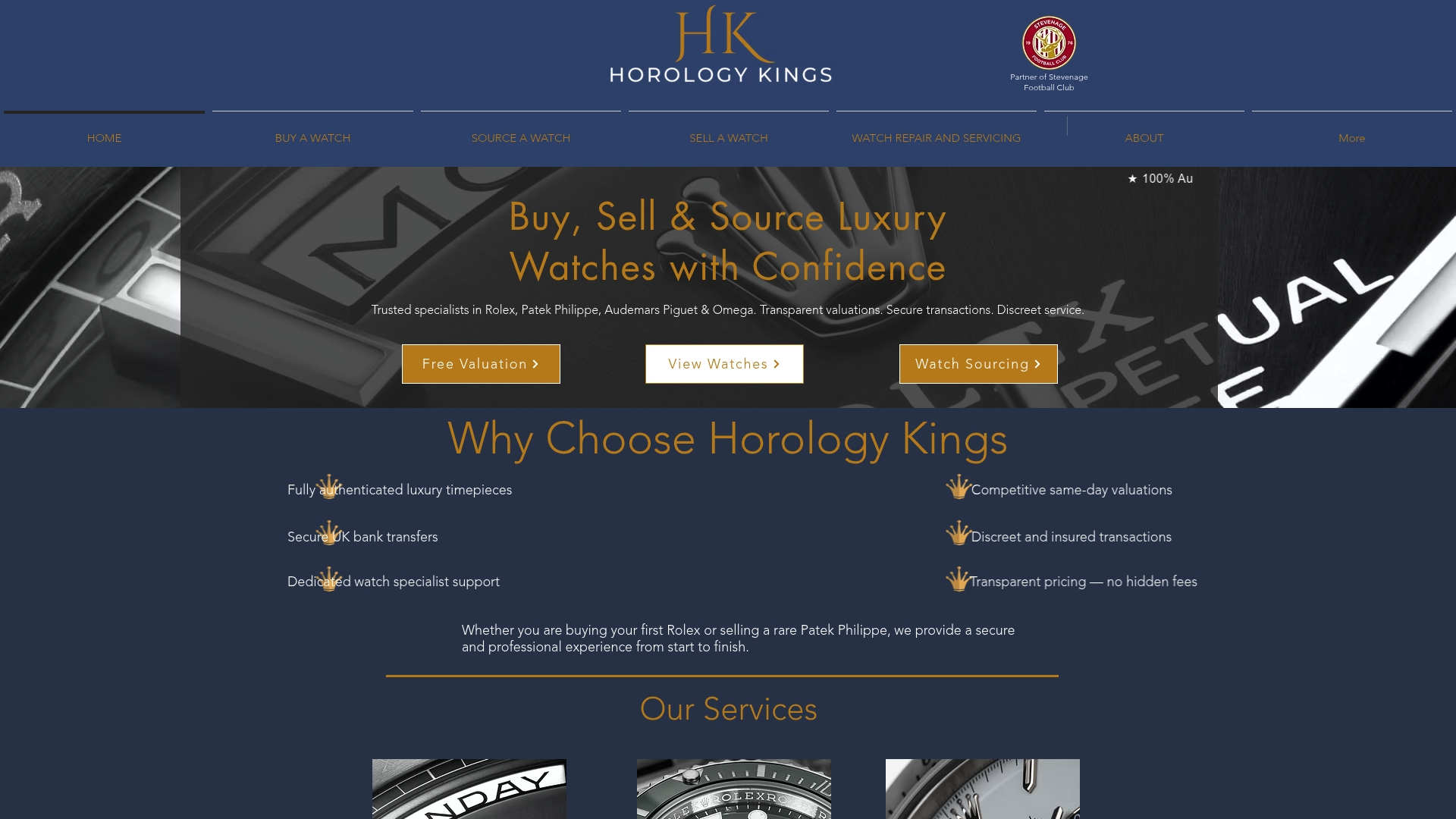
Horology Kings sits in the middle deliberately. You get a specialist valuation from people who handle Rolex, Patek Philippe and Audemars Piguet daily, not a generalist guess. Offers come with a clear explanation of how the price was reached, payment moves by secure UK bank transfer once authentication is complete, and you’re never asked to ship before terms are agreed in writing. That combination, fair pricing without private-sale risk, is why many sellers who start out chasing the highest possible number end up choosing certainty instead.
Start with a free valuation and you’ll know within days, not weeks, exactly what your watch is worth and how quickly you could have the funds in your account.
Sources
Recommended
Comments