.png)

Sourcing vintage Rolex Daytona: your 2026 guide
- lewisvrichards3
- 1 day ago
- 8 min read
TL;DR:
Sourcing a vintage Rolex Daytona requires careful authentication of dial originality, parts matching, and movement verification. Trusted channels include auction houses, reputable dealers, and thorough triangulated authentication. Patience, expertise, and proper budgeting are essential for acquiring a genuine and valuable example.
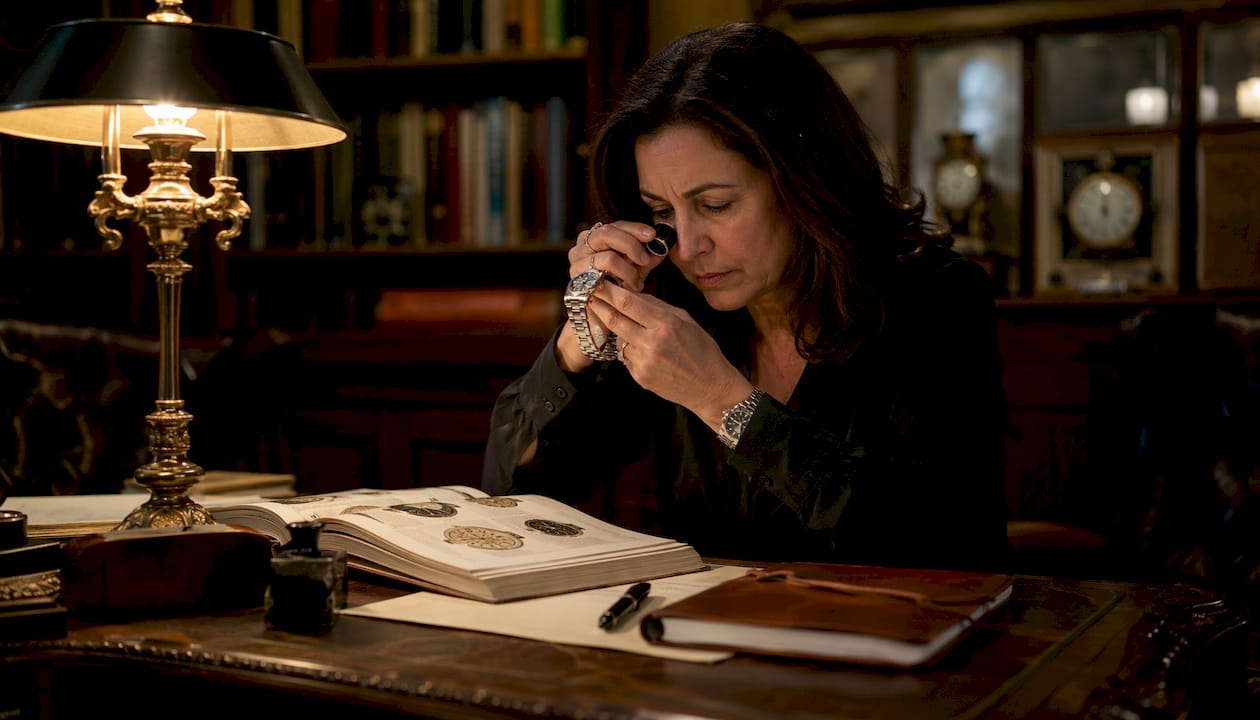
Sourcing a vintage Rolex Daytona is defined as the process of identifying, authenticating, and acquiring a period-correct example from one of horology’s most complex reference families. No other watch combines comparable investment weight with such a demanding authentication burden. A misidentified dial or a swapped movement can reduce a watch’s value by tens of thousands of pounds overnight. This sourcing vintage Rolex Daytona guide covers every critical checkpoint, from reference identification through to movement inspection, so you acquire a piece that holds its value and its story.
Which vintage Rolex Daytona references define the collecting canon?
The vintage Daytona family spans a production arc that begins with the pre-Daytona reference 6238 from 1962 and runs through the manual-wind era to 1988. Understanding where each reference sits in that timeline is the foundation of any serious Rolex Daytona buying guide.
The key reference families
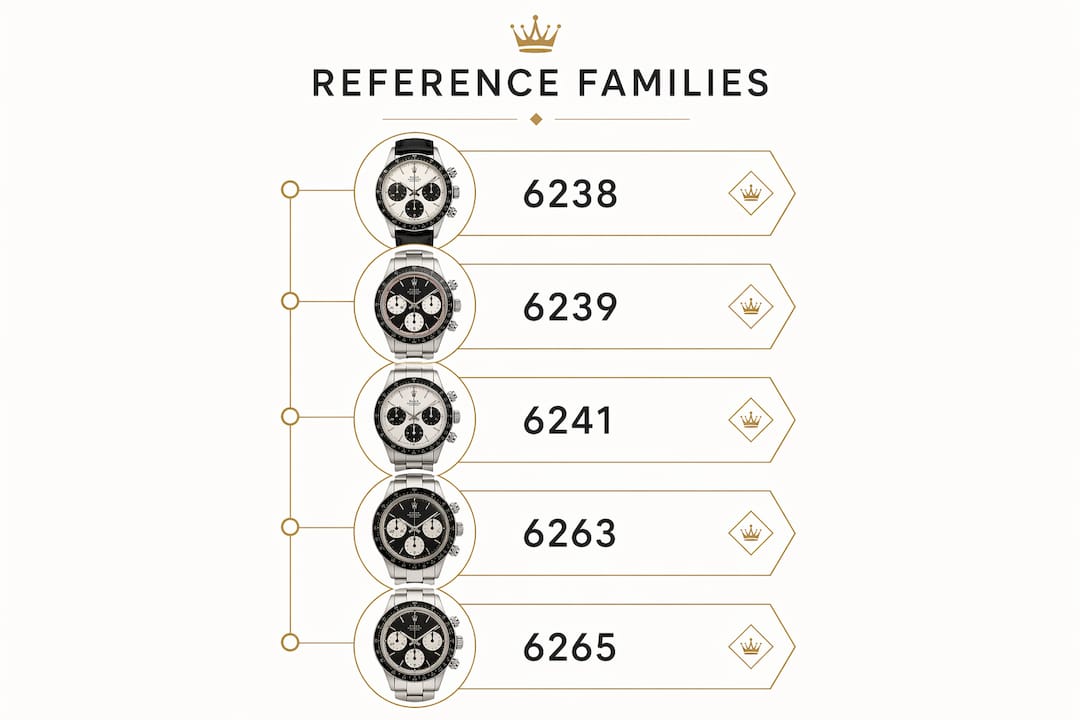
The manual-wind era breaks into two broad generations. The first generation covers the 6238 (1962–1968), which carried no “Daytona” text on the dial and used pump pushers. The second generation introduced the Daytona name and ran through references 6239, 6241, 6263, and 6265, spanning 1963 to 1988. Each reference has specific period-correct features that define authenticity expectations.
Reference | Approximate era | Key period features |
6238 | 1962–1968 | Pump pushers, no “Daytona” text, smooth bezel |
6239 | 1963–1969 | Pump pushers, steel bezel, “Daytona” text |
6241 | 1965–1969 | Pump pushers, black acrylic bezel |
6263 | 1971–1988 | Screw-down pushers, acrylic bezel |
6265 | 1971–1988 | Screw-down pushers, steel bezel |
Period correctness does not mean every component must be factory original. Parts have been swapped across decades of service history, and the collecting community accepts this reality. The standard is that pushers, hands, bezels, and bracelets must match the correct era for the reference, not necessarily the original production run.
Key period-correct criteria to check on any example:
Pushers: Pump pushers on pre-1971 references; screw-down pushers on 6263 and 6265
Bezel type: Steel engine-turned on 6239/6265; black acrylic on 6241/6263
Hands: Correct lume plots and hand profiles for the specific reference generation
Dial text: Presence or absence of “Daytona,” “Swiss,” and “T Swiss T” markings aligned to production year
Pro Tip: Cross-reference the case serial number against known production tables to confirm the reference year. Serial ranges are well documented in specialist literature and help you spot anachronistic parts immediately.
How do you authenticate dial originality and movement consistency?
Dial originality is the single biggest value and authenticity differentiator in the vintage Daytona market. A service dial or a redialled example can look convincing in photographs yet represent a fraction of the value of an original.
Recognising original versus service dials
Service dials can reduce value by 30–50%. For Paul Newman exotic dial variants, the gap is far more severe. An original Paul Newman dial commands values ranging from roughly £160,000 to well over £1.5 million, while a service-issued replacement sits at a fraction of that figure. The difference lies in details that require in-person assessment: lume patina colour and consistency, font weight and spacing on sub-dial text, and the precise printing register of the exotic dial’s decorative elements.
Common value traps to avoid when buying vintage Rolex Daytona:
Redialled dials: Original dials that have been refinished, losing patina and original printing
Service dials: Rolex-issued replacement dials fitted during servicing, legitimate but worth far less
Dial swaps: Dials transplanted from a different reference to create a more desirable configuration
Counterfeit exotic dials: Reproductions of Paul Newman dials with incorrect font styles or lume colours
Dial originality verification must be the primary focus of any inspection. Case and bracelet condition matter, but they are secondary to what sits behind the crystal.
Movement inspection essentials
Movement inspection is non-negotiable for any vintage watch purchase. A watch sold without movement access is sold sight-unseen on the hardest component to fake convincingly. The calibre number must align with the reference: manual-wind Daytonas use the Valjoux 72 or Rolex-modified variants, and any mismatch is an immediate red flag.
Independent watchmaker inspection costs approximately £160–£320. Specialist authentication with a written report runs from £400 to £2,000 or more. These costs are modest relative to the purchase price of any genuine Daytona.
Pro Tip: Always request the case back be opened before purchase. If a seller refuses, treat the refusal as a serious warning sign regardless of how compelling the dial looks.
What are the trusted sourcing channels for vintage Daytona watches?
The sourcing channel you choose determines your baseline risk level before authentication even begins. Each channel carries a different risk profile and a different cost structure.
Specialist auction houses. Phillips, Christie’s, and Sotheby’s employ dedicated watch specialists and offer buyer guarantees on major lots. Auction premiums add 20–25% to the hammer price, but the pre-sale vetting process filters out the most obvious fakes and service-dial substitutions.
Reputable vintage dealers. Established dealers with verifiable trading histories offer the advantage of accountability. A dealer who stands behind a sale will provide documentation, allow independent inspection, and accept returns if authentication fails. Horology-kings operates precisely this model, offering secure sourcing services for collectors seeking specific references.
Private sellers and online marketplaces. Private sales can offer better prices, but the risk profile rises sharply. Photographic evidence alone is insufficient for a Daytona purchase. Insist on in-person inspection or a fully authenticated photographic dossier prepared by a named specialist.
Watch fairs and collector events. Events such as the Salon International de la Haute Horlogerie and specialist UK watch fairs provide access to multiple dealers simultaneously. The ability to handle watches directly and compare examples side by side is genuinely useful for building reference knowledge.
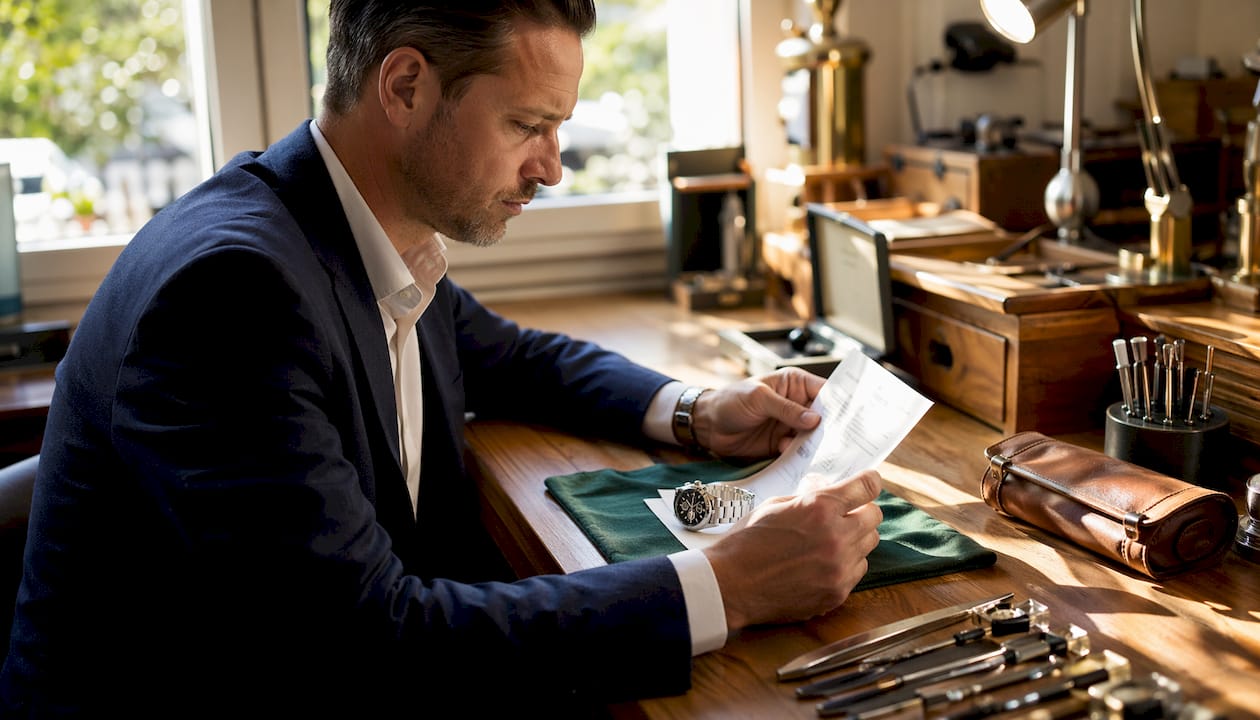
Triangulated verification. Three independent authentication checks before payment is the accepted best practice for high-value Daytona purchases. Combine dealer representation, an independent watchmaker inspection, and a vintage Rolex specialist review. The combined cost is minimal against the potential loss from an unauthenticated purchase.
Pro Tip: Build a relationship with a vintage Rolex specialist before you need one. A trusted specialist who knows your collecting focus will flag suitable examples and alert you to market-wide issues with specific reference batches.
For a broader view of rare watch sourcing strategies in the UK market, the principles of triangulation and channel selection apply equally across other sought-after references.
How should you budget for a vintage Rolex Daytona acquisition?
Budget planning for collecting vintage timepieces of this calibre requires understanding that the dial type, not the reference number alone, drives the majority of the price variation.
Paul Newman and exotic dial Daytonas range from approximately £160,000 to over £1.6 million depending on dial condition, colour variant, and provenance. Standard matte or galvanic black dial examples from the same reference families trade between £40,000 and £75,000. That gap reflects the dial’s rarity and the authentication complexity it introduces.
Dial type | Approximate price range | Key value driver |
Standard matte dial (e.g. 6239) | £40,000–£75,000 | Reference rarity and condition |
Galvanic black dial (e.g. 6265) | £55,000–£90,000 | Dial condition and originality |
Exotic / Paul Newman dial | £160,000–£1.6m+ | Dial variant, colour, and provenance |
Budget allocation should account for more than the purchase price alone:
Authentication costs: £600–£2,400 depending on the number of specialists engaged
Service and restoration: A full movement service from a qualified watchmaker adds £400–£1,200
Insurance: Specialist watch insurance for a piece in this value range is a non-negotiable ongoing cost
Market premium for documentation: Examples with original box, papers, and service history command a premium of 15–30% over undocumented equivalents
A service dial or redialled example priced attractively is rarely a bargain. The value reduction of 30–50% relative to an original dial means the discount rarely compensates for the loss in resale potential. Budget for originality from the outset.
Key takeaways
Sourcing a vintage Rolex Daytona demands dial originality verification, period-correct parts matching, and triangulated authentication before any payment is made.
Point | Details |
Reference identification first | Confirm the reference family and production era before assessing any other detail. |
Dial originality is paramount | A service or redialled dial reduces value by 30–50% and must be identified before purchase. |
Movement inspection is mandatory | Always verify calibre and serial alignment; refuse any sale that denies case back access. |
Triangulate authentication | Use three independent checks: dealer, watchmaker, and vintage Rolex specialist. |
Budget for total acquisition cost | Include authentication, servicing, and insurance alongside the purchase price. |
What the Daytona market teaches you that no guide can fully capture
I have handled enough vintage Daytonas to know that the market rewards patience in a way that almost no other collecting category does. The collectors who overpay are almost always the ones who rushed. They found a compelling example, fell for the dial, and skipped the movement inspection because the seller was impatient or the price felt too good to question.
The uncomfortable truth about collecting vintage timepieces at this level is that knowledge compounds faster than prices do. A collector who spends six months studying reference batches, dial printing variations, and pusher evolution will make better decisions than one who simply has a larger budget. The Daytona market is not forgiving of ignorance, but it rewards genuine expertise generously.
I have also seen experienced collectors make the mistake of prioritising provenance stories over physical evidence. A compelling ownership history is interesting, but it does not substitute for a movement that matches the case serial. Documentation supports value; it does not create it independently. Trust the watch, not the narrative around it.
The other lesson I keep returning to is that enjoyment matters. The Daytona is a genuinely beautiful object with a remarkable history in motorsport timing. If you source one correctly, the pleasure of ownership compounds alongside the financial value. Buy the watch you want to wear and study, not the one you think will perform best on a spreadsheet.
— Lewis
Horology-kings: sourcing authenticated vintage Rolex watches
Horology-kings is a Hertfordshire-based luxury watch specialist with direct access to authenticated vintage Rolex references across all major Daytona families.
Whether you are searching for a specific reference or need expert guidance before committing to a purchase, Horology-kings offers a bespoke sourcing service built around transparency and verified authentication. The team also provides watch servicing and repair to preserve the condition and value of vintage pieces post-acquisition. For collectors who want a trusted partner rather than a transaction, Horology-kings is the place to start.
FAQ
What makes a vintage Rolex Daytona dial original?
An original dial retains its factory-applied lume, correct font printing, and unrestored surface. Service dials and redialled examples lack the patina consistency and printing precision of genuine originals.
How much does vintage Rolex Daytona authentication cost?
Independent watchmaker inspection costs approximately £160–£320, while specialist authentication with a written report runs from £400 to £2,000 or more depending on the complexity of the piece.
Which vintage Daytona references are most valuable?
Exotic and Paul Newman dial variants across references 6239, 6241, 6263, and 6265 command the highest prices, ranging from £160,000 to over £1.6 million based on dial condition and provenance.
Is period correctness the same as full originality?
No. Period correctness means components match the correct era for the reference, not that every part is factory original. Decades of part swaps are accepted in the collecting community, and period-correct matching is the realistic standard.
Where is the safest place to buy a vintage Rolex Daytona?
Specialist auction houses such as Phillips, Christie’s, and Sotheby’s offer pre-sale vetting and buyer guarantees. Reputable vintage dealers who permit independent inspection and provide documentation are equally reliable sourcing channels.
Recommended
Comments