.png)

Is watch polishing worth it for owners and collectors?
- lewisvrichards3
- 4 days ago
- 10 min read
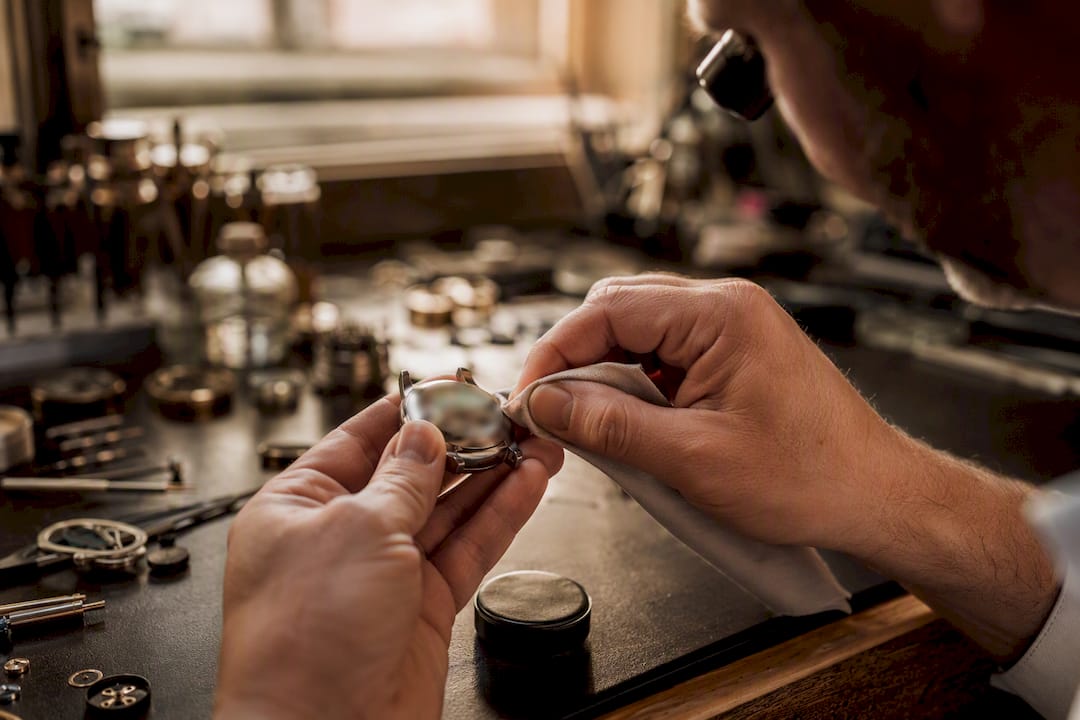
For most vintage or collectible watches, polishing is not worth it. For many modern daily-wear pieces, it can be, provided the work is limited, documented and carried out by a specialist. That distinction matters more than the finish itself.
The trade-off comes down to three things:
Appearance gain: a good polish removes scratches and restores shine, and the watch photographs and sells better in the short term.
Permanent metal loss: every polish removes a thin layer of the case, and it never grows back.
Impact on resale and provenance: collectors and dealers routinely pay less for polished vintage pieces because the original factory finish is gone.
Pro Tip: Before sending any watch for service, photograph every angle of the case and lugs, then put your instructions in writing. If you don’t want the case touched, say so explicitly on the work order.
Key Takeaways
Watch polishing improves appearance immediately but permanently removes metal, so the right call depends on whether you value the piece as a wearer or a collector.
Point | Details |
Verdict depends on the watch | Preserve vintage or collectible pieces; restrained polishing suits modern daily wear with low resale priority. |
Metal loss is permanent | Each polish removes roughly 0.05 to 0.15mm of case material, which never returns. |
Detection is learnable | Softened bevels, rounded lugs and thin hallmarks all point to a previously polished case. |
Documentation protects value | A documented, disclosed refinish is accepted far better by collectors than an undocumented one. |
Choose a documented specialist | Horology Kings offers written authorisation, photographic records and transparent invoicing for any cosmetic work. |
Table of Contents
Pros and cons of watch polishing: what you gain and what you risk
A watch polish genuinely improves how a piece looks. Deep scratches vanish, dull steel or gold regains its shine, and a tired case suddenly photographs well. For an owner who wears their watch daily and has no plans to sell, that’s a real and immediate benefit.
The cost sits on the other side of the ledger. Polishing removes metal permanently, softens the crisp bevels and edges the factory cut into the case, and can strip away the exact details that make a piece collectible. Dealers and collectors tend to avoid heavily polished watches because the process erases original geometry and finishing, and an over-polished case is often written off as effectively destroyed for collecting purposes.
The gains:
Removes surface scratches and restores shine
Improves everyday wearability and how the watch photographs
Can make a tired piece feel new again
The risks:
Metal loss is permanent and cumulative
Softens factory bevels, chamfers and lug lines
Can reduce resale value and break provenance
Picture two owners with the same reference: one wears it daily and wants it looking sharp for a special occasion; the other holds it as an investment and cares more about what a specialist would say about it in ten years. Their answer to “should you polish this watch” will be completely different, and it should be.
What polishing actually removes from a case
Polishing is an abrasive process. A buffing wheel loaded with compound cuts into the metal surface to smooth out scratches, which means it’s removing material, not just cleaning it. Resurfacing or lapping goes a step further, using a flat abrasive plate to true up a case flank or bracelet link before the final polish, correcting unevenness that a simple buff can’t fix.
Each polish typically removes around 0.05 to 0.15 millimetres of metal, depending on how aggressive the technician is. That sounds small, but it compounds. A watch polished three or four times over its life can lose enough material to visibly round off what were once sharp, angular lugs.
Here’s what typically happens to each part of the case:
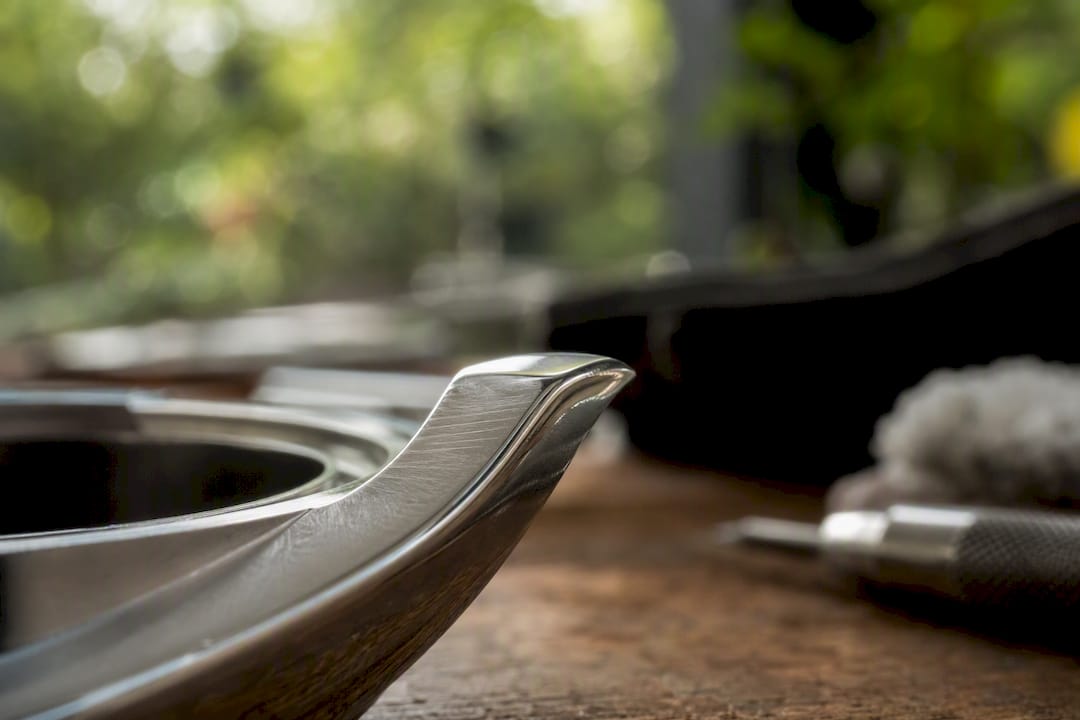
Lugs: edges soften first, since they’re thin and take the brunt of the buffing wheel.
Bezels: flat facets lose their crisp transition lines and start to look rounded.
Case flanks: brushed finishes get accidentally polished over if the technician isn’t careful with masking.
Bracelets: individual links lose their factory bevels, and stretch becomes more noticeable once the metal thins.
A brushed surface polished by mistake is one of the most common tells of an amateur job, and it’s very hard to reverse.
Pro Tip: If you do authorise polishing, ask the technician to stop the moment case geometry starts to change, not just when the scratches disappear. Those are two different endpoints, and only one of them protects the watch’s shape.
When polishing makes sense
Polishing earns its place in a handful of situations, and it’s worth being specific about them rather than treating every scratched watch the same way.
Deep gouges that catch on clothing or affect the crown’s function — cosmetic damage that’s crossed into a practical problem.
Modern daily-wear watches with low resale priority — a well-worn steel sports watch you plan to keep for decades, not flip next year.
Sentimental pieces you intend to wear, not sell — a father’s watch, a graduation gift, something whose value to you has nothing to do with auction results.
A scratched Omega Seamaster worn every day for work is a reasonable polishing candidate, because its value to the owner is functional and personal rather than collector-driven. A gold dress watch with decades of tarnish and surface wear, bought purely to be worn rather than kept as an investment, fits the same logic.
Timeline matters here too. For many modern cases, one or two restrained polishes across a lifetime is a sensible ceiling. Beyond that, the case starts losing definition faster than most owners expect, and each additional polish costs proportionally more shape for the same cosmetic gain.
The exception is function over form: if a scratch is deep enough to be a snag risk or the crown tube has burred, that’s no longer a purely cosmetic decision.
When you should avoid polishing your watch
Vintage and highly original watches are where the “should you polish a vintage watch” question gets a firm answer: usually not. Collectors pay premiums specifically for cases that still show their original machining marks, and once those are buffed away, they’re gone for good. A preserved, unpolished vintage watch often commands significantly more than an identical reference that’s been refinished, even when the polished example looks “better” at a glance.
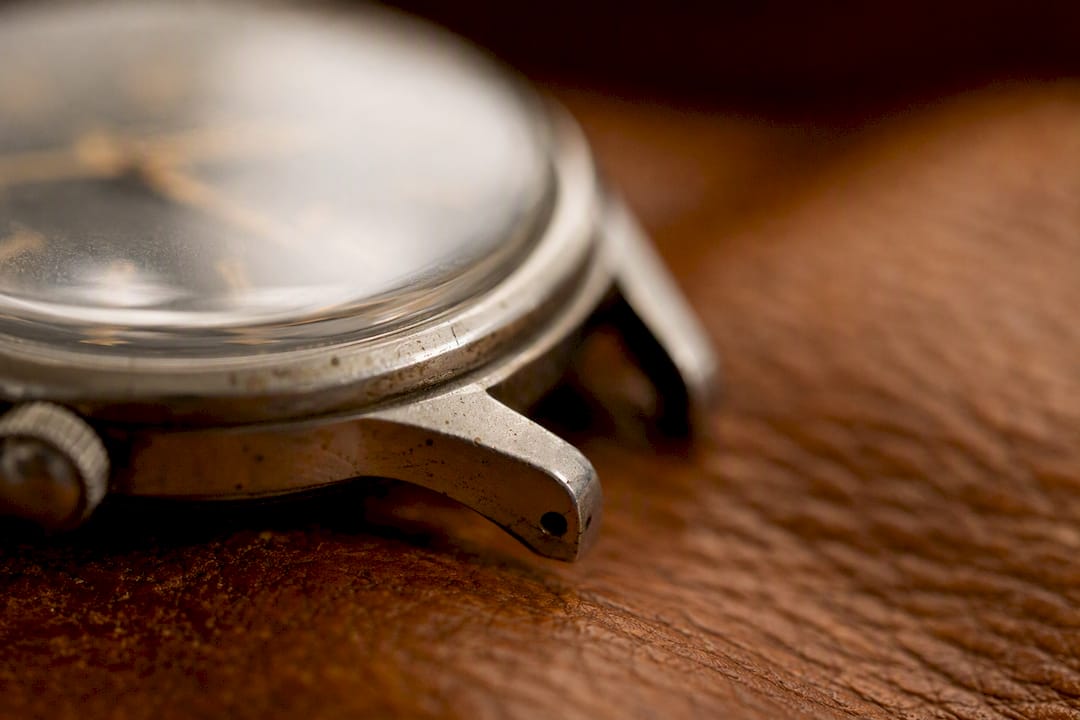
The right approach for most collectible vintage pieces is preservation rather than restoration: service the movement, clean the case gently, and leave the external finish alone unless damage is severe enough to demand real repair, a principle laid out clearly in guidance on restoring versus preserving vintage watches.
Watch out for these signs that you’re holding a preservation candidate, not a polishing project:
Crisp, un-rounded bevels along the lugs and case sides
Original dial patina, tropical fading, or period-correct lume colour
Legible hallmarks and case serial engravings with sharp stamping
Matching finish direction between the case and bracelet
Pro Tip: Get an expert valuation before you touch a vintage piece cosmetically. Once you know what the watch is worth in its current state, you can make an informed call instead of an emotional one, and if you ever sell it, disclose any refinishing honestly.
How to tell if a watch has been polished
Spotting a polished case is a skill worth learning, whether you’re assessing your own watch or vetting one you’re about to buy. Run through this checklist:
Softened bevels — factory chamfers on the lugs should have a distinct, almost knife-edge transition; rounded ones suggest buffing.
Rounded lug tips — original lugs tend to hold sharper corners than a polished case.
Inconsistent finishing direction — brushed surfaces that look faintly glossy in patches usually mean the polishing wheel strayed.
Missing or thin hallmarks — stamped marks sit shallow to begin with, so repeated polishing can blur or erase them.
Uneven lug thickness — compare left to right; polished cases sometimes show a visible taper where one side has been worked more than the other.
Macro photography is your best tool here. Photograph the lugs, bevels, crown guards and the transition where the case flank meets the bezel, all in raking light that shows surface texture rather than washing it out under a flat flash.
Pro Tip: If you’re buying rather than selling, ask the seller for high-resolution, magnified images of the hallmarks and, where possible, a measurement of lug thickness against published specifications. A seller who hesitates at that request is telling you something.
What a professional polish involves and what it costs
A properly run polishing service follows a clear sequence, and knowing the steps helps you judge whether a workshop is doing this properly.
Inspection and condition assessment of the case, bracelet and existing finish.
Photographic record taken before any work begins.
Authorised work order specifying exactly what will and won’t be touched.
Controlled polishing or resurfacing, done to the agreed scope only.
Refinishing of brushed and polished surfaces to match factory direction.
Pressure testing, especially if gaskets have been replaced during the process.
Return report detailing what was done.
Costs vary considerably by maker, metal and region, but a restrained polish on a steel sports case sits well below a full case refinish that includes bracelet stretch correction and gasket replacement. Precious metal cases and complicated bracelets push the price higher again. Turnaround for a documented job typically runs longer than a quick in-house buff, because proper masking and photography take time.
Pro Tip: Insist on before-and-after photographs, a written statement of how much material was removed, and a clear warranty on water resistance if any gaskets were replaced. Manufacturer service centres often include cosmetic refinishing as a default step in routine servicing, so if you don’t want your case touched, you need to say so in writing every single time.
Alternatives to polishing and why DIY is risky
Polishing isn’t the only lever available. Professional ultrasonic cleaning lifts grime from the bracelet and case without removing metal. A strap or bracelet replacement refreshes the whole look instantly. A crystal replacement clears up scratches that make the dial hard to read, and relume work restores nighttime legibility without touching the case at all. For localised damage, a skilled restorer using a lapping machine can sometimes correct a single problem area more precisely than a full case polish, though this is still restoration rather than preservation and should be disclosed as such.
DIY polishing is where real damage happens. Household polishes and high-speed buffing wheels are built for jewellery, not precision-machined case geometry, and they remove metal unevenly. The result is a case with mismatched surfaces, blurred hallmarks and a shape that no professional can fully correct afterwards.
Never use metal polish creams or Dremel-style buffing attachments on a case
Never attempt to “just take the deep ones out” yourself; there’s no controlling depth by hand
Never assume a home job is reversible; it isn’t
How to choose a specialist for watch polishing
Picking the right hands for this job matters as much as deciding whether to do it at all. Before booking anyone:
Ask if they can document exactly how much metal will be removed. A vague answer is a warning sign.
Ask whether they photograph before and after. No photographic record means no accountability.
Ask how they restore factory geometry, not just how they remove scratches.
Ask for examples of the same reference they’ve worked on before. Experience with your specific case shape matters.
Watch for red flags: blanket “refinish all” service line items with no detail, an inability to explain finishing direction, or reluctance to provide before-and-after records. A reference-specific checklist covering case geometry, originality, metal type, your goals and resale risk is a far better starting point than a generic price list.
Trust signals worth insisting on: certified watchmaker credentials, documented previous examples of your exact reference, a written authorisation form before work starts, pressure and water-resistance testing afterwards, and original parts returned to you wherever practical.
What a specialist dealer actually recommends
The sensible default, in almost every case, is preservation for collectible pieces and restrained, authorised refinishing for modern daily-wear watches. That’s not a compromise position, it’s simply where the evidence on collector value and appearance points.
Documented specialist polishing looks nothing like a quick buff-and-return job. It means a photographic record before and after, a line-item invoice describing exactly what was done and how much material was removed, and full disclosure if that watch is ever resold. Experts consistently point out that transparency changes how collectors respond: a lightly restored watch with clear paperwork is accepted far more readily than an undocumented one, even when the actual cosmetic work is similar.
Default to preservation for anything collectible or vintage
Allow restrained refinishing only with written authorisation and a clear scope
Keep dated photographs and an itemised invoice for every cosmetic job
Disclose any refinishing honestly when the watch changes hands
That’s the standard worth holding any workshop to, including your own.
A specialist’s honest take
Watches earn their character the same way people do, through use. My view is that most collectible pieces deserve preservation over cosmetic perfection, because you can always polish later but you can never put metal back. Wear the watch, enjoy it, but document everything and get a proper opinion before you let anyone near a buffing wheel on something rare.
Documented polishing and honest valuation from Horology Kings
If you’ve decided restrained polishing is the right call, the process matters as much as the decision. Horology Kings’ watch repair and servicing team works to documented standards throughout: certified horologists, photographic records taken before and after any cosmetic work, and a transparent invoice detailing exactly what was done and how much material, if any, was removed.
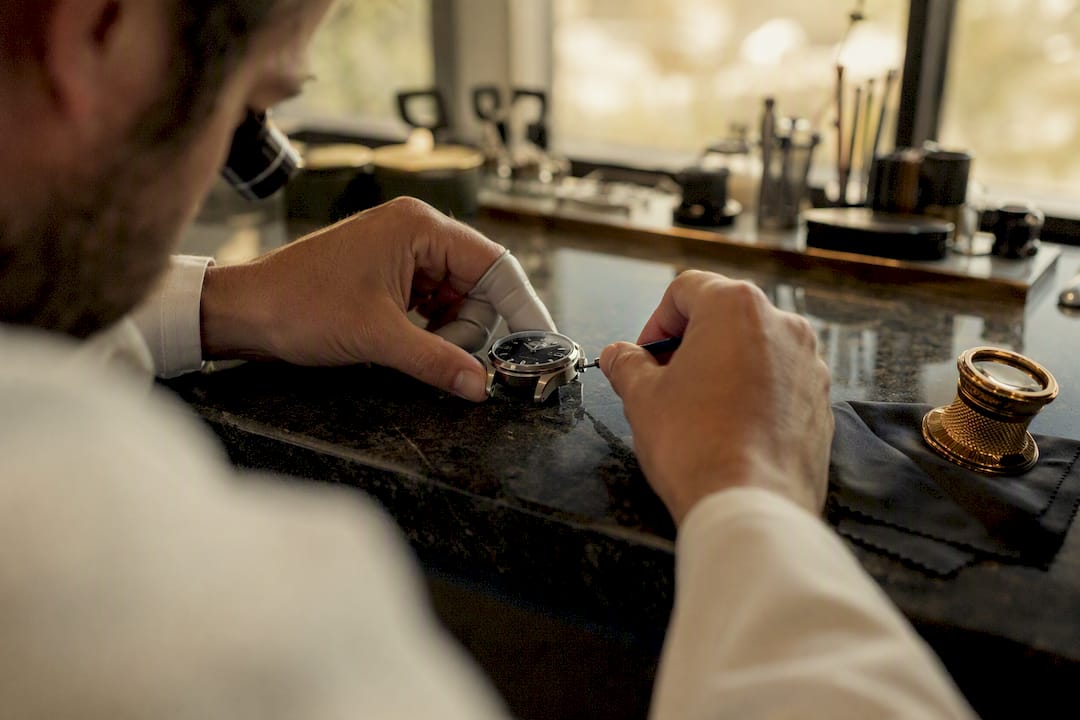
Every cosmetic job starts with a written authorisation form, so nothing gets touched that you haven’t explicitly approved, and original parts are returned to you wherever practical. If you’re weighing polishing against selling instead, our team can also provide an expert valuation that reflects your watch’s current condition honestly, polished or not. Book an inspection with Horology Kings and get a clear, written recommendation before any work begins.
Frequently asked questions
Is watch polishing worth it for a vintage Rolex? Usually not. Unpolished vintage cases carry a genuine premium among collectors, and polishing removes the original factory finish permanently, which is exactly what buyers are paying for.
Does polishing always reduce resale value? Not always. On a modern, low-collectibility watch it barely matters. On a vintage or highly original reference, it can meaningfully lower what a serious buyer will pay.
How much does watch polishing cost? It varies by maker, metal and how much work is needed, from a light restrained polish through to a full case refinish with bracelet correction. Ask for a written quote before committing.
Can ceramic or PVD-coated watches be polished? Not in the traditional sense. Ceramic is extremely hard and doesn’t respond to conventional buffing, and PVD coatings are a thin surface layer that polishing simply strips away rather than restores.
How do I know if my watch has already been polished? Look for softened bevels, rounded lug edges, and hallmarks that seem shallow or blurred. Comparing macro photographs against a factory reference image is the most reliable method.
Sources
Recommended
Comments