.png)
What is a watch dealer? UK luxury collectors guide 2026
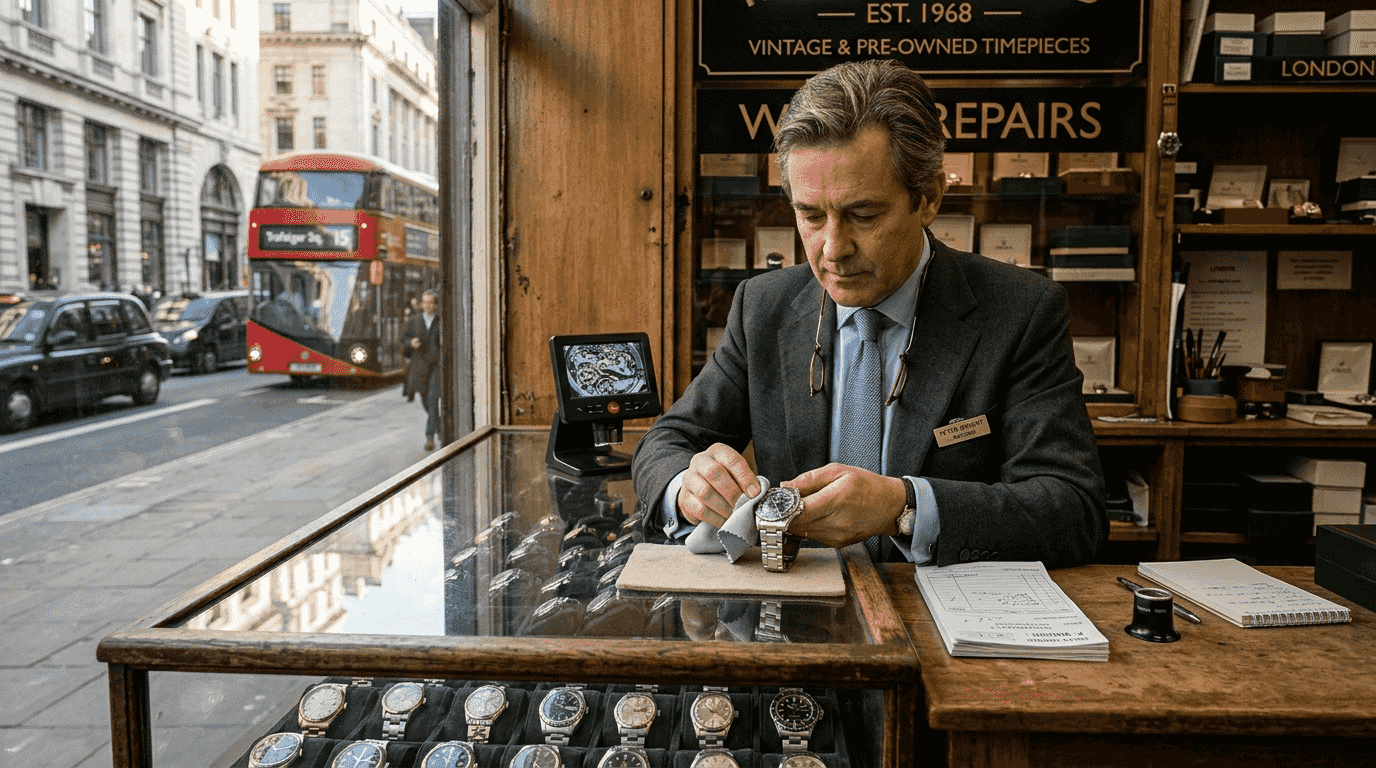
Many luxury watch enthusiasts mistake dealers for mere sellers, yet these professionals serve as gatekeepers to exclusive timepieces, authenticators of provenance, and trusted intermediaries in a volatile market. Understanding how reputable dealers operate—from their business models to the critical role of trust—empowers you to navigate the second-hand luxury watch landscape confidently and avoid costly missteps.
Table of Contents
Key takeaways
Point | Details |
Dealers are established businesses | Professional watch dealers operate full-time with physical premises or registered addresses, websites, and transparent credibility markers. |
Multiple business models exist | Dealers use direct sales, consignment, or brokering, each carrying distinct financial risks, margins, and legal responsibilities. |
Trust and reputation are critical | The luxury watch market depends on dealer integrity; poor ethics result in legal consequences and industry exclusion. |
Due diligence protects collectors | Researching dealers through reviews, credentials, and personal communication minimises fraud risks and safeguards investments. |
Personal relationships add value | Building rapport with specialist dealers offers access to exclusive watches, tailored advice, and confidence in authenticity. |
Who is a watch dealer and what do they do?
Professional watch dealers are full-time businesses with physical premises or registered addresses, active websites, and social media profiles showcasing high-quality photography and transparent contact details. They differentiate themselves from hobbyists or scammers by maintaining verifiable credentials, consistent customer interactions, and a public reputation built over years of trading.
Their core responsibilities extend far beyond simple buying and selling. Dealers authenticate luxury timepieces, provide expert valuations, source rare models, and act as trusted intermediaries connecting collectors with coveted brands like Rolex, Patek Philippe, and Audemars Piguet. They navigate the complexities of authenticating luxury watches, ensuring buyers receive genuine articles with verified provenance.
Core dealer functions include:
Purchasing pre-owned watches directly from collectors and reselling them
Offering consignment services where watches remain the owner’s property until sold
Brokering transactions between private buyers and sellers for commission
Providing authentication, servicing, and expert knowledge to support informed purchasing
“The best dealers become partners in your collecting journey, offering access to exclusive pieces, market intelligence, and peace of mind that every transaction is secure and legitimate.”
Within the UK market, reputable dealers specialise in specific brands or eras, building deep expertise that allows them to spot counterfeits, assess condition accurately, and advise on investment potential. This specialisation transforms them from mere retailers into curators of horological excellence.
Business models and financial dynamics of watch dealers
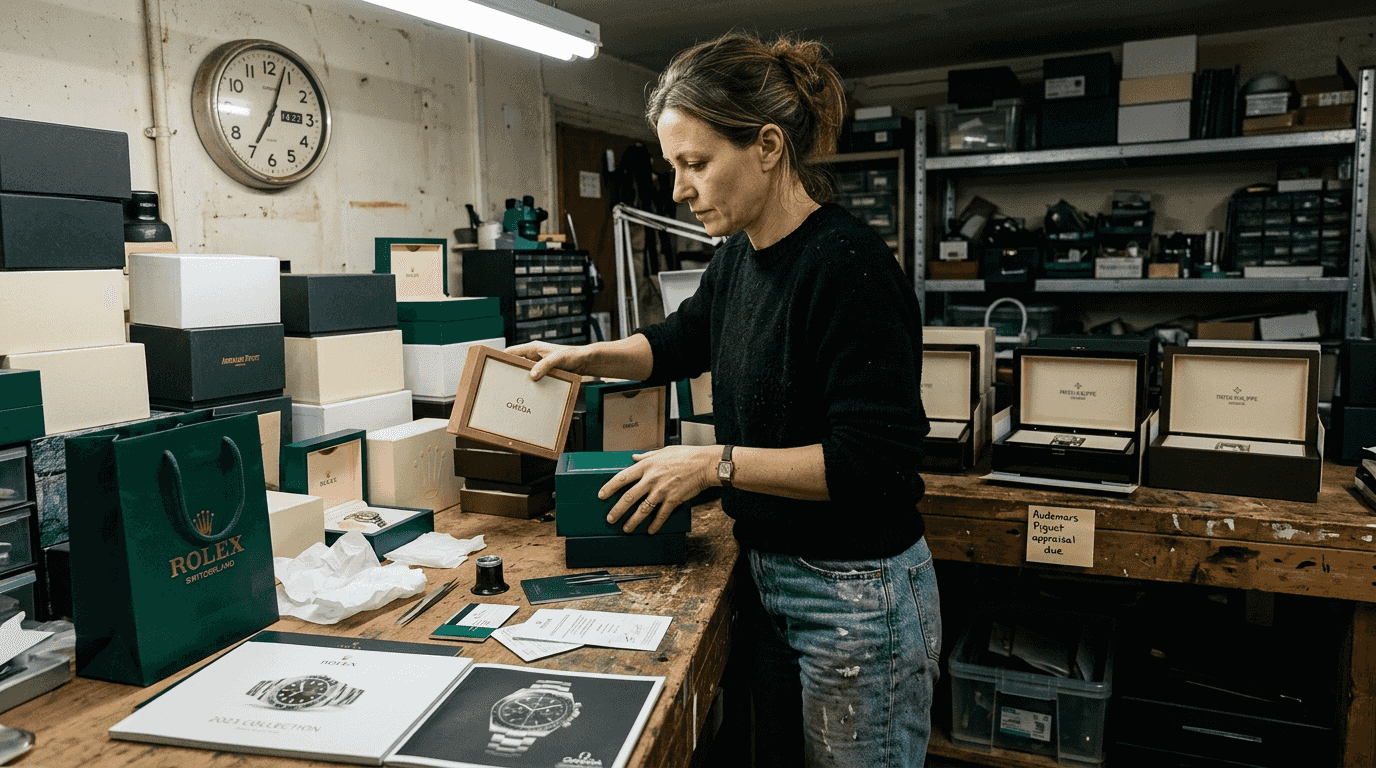
Watch dealers operate through three primary business models, each with distinct financial structures, risk profiles, and profit margins. Understanding these differences helps collectors recognise how dealers price watches and manage their inventory.
Direct sales involve dealers purchasing watches outright and reselling them at a markup. The dealer assumes full financial risk if the watch depreciates or fails to sell, but retains all profit from the sale. This model requires significant capital and market knowledge to avoid losses from fluctuating values.
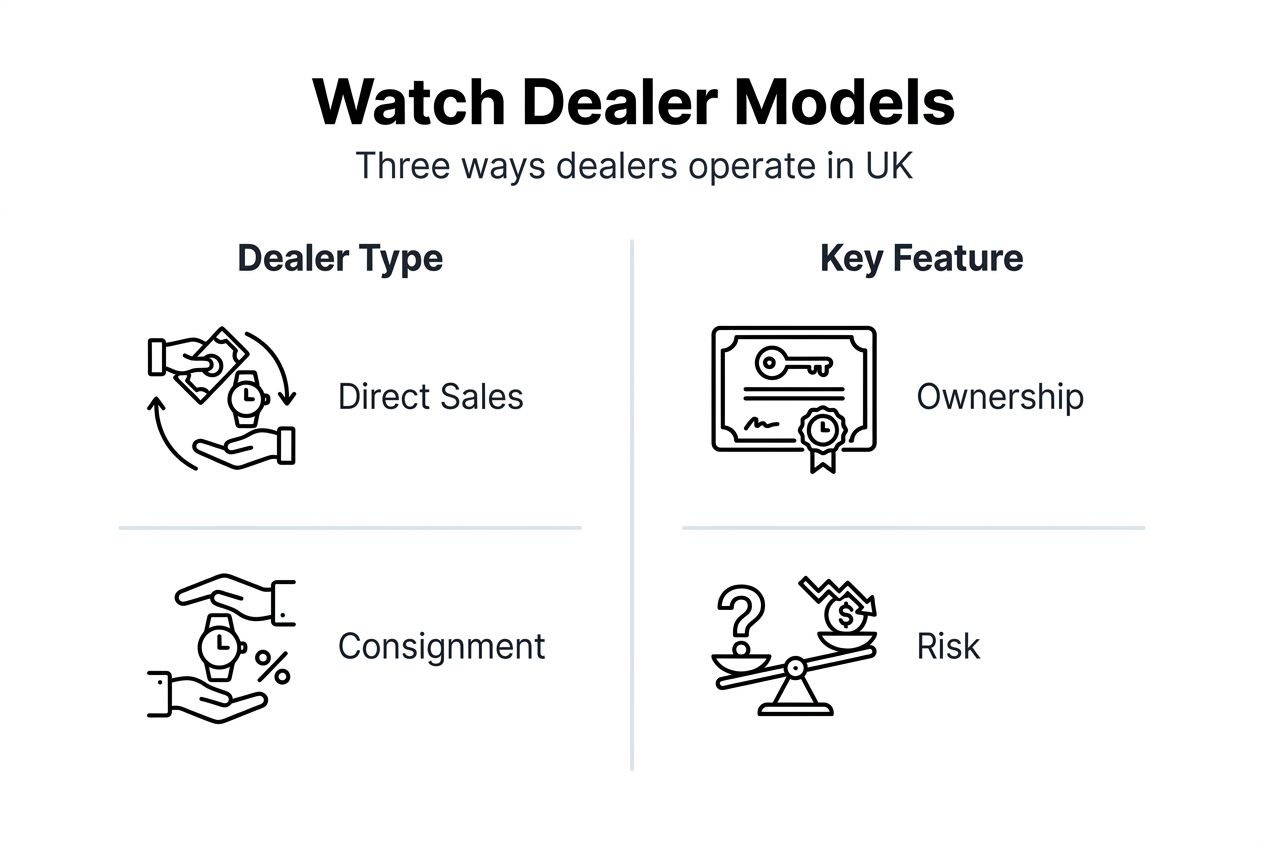
Consignment allows owners to retain legal ownership whilst the dealer markets and sells the watch on their behalf. The dealer earns a commission, typically 10% to 20%, and carries fiduciary duties to act in the owner’s best interest. Risks shift to potential disputes over condition, pricing, or payout delays if the dealer faces cash flow problems.
Brokering connects buyers and sellers without the dealer taking possession or ownership. The broker facilitates the transaction, verifies authenticity, and charges a fee for their service. This model minimises financial exposure but also limits profit potential compared to direct sales.
Business Model | Risk Profile | Typical Margins | Capital Required |
Direct sales | High | 15% to 30% | Substantial |
Consignment | Medium | 10% to 20% | Minimal |
Brokering | Low | 5% to 15% | None |
The secondary watch market experiences volatility influenced by brand releases, economic conditions, and collector demand. Margins typically range between 5% and 30%, with premium brands commanding higher percentages. Dealers face pressure from rapid value shifts; a watch purchased for £20,000 might lose £3,000 in value within months if market sentiment changes.
Pro Tip: Always ask dealers which business model applies to your transaction. Direct sales offer immediate ownership certainty, whilst consignment provides sellers with better control but longer waiting periods.
Understanding how dealers structure their operations clarifies pricing transparency and helps you negotiate fairly. Dealers managing high-end watch trades balance profitability against reputation, knowing that overpricing or dishonesty damages long-term business prospects.
Why trust and reputation matter in watch dealing
The luxury watch market operates on relationships and credibility. Unlike mass-market retail, where brand guarantees protect buyers, the secondary watch trade depends entirely on individual dealer integrity. Trust and reputation form the industry backbone; dishonesty results in legal prosecution, career destruction, and exclusion from professional networks.
Collectors entering this market face genuine risks from unscrupulous operators. Red flags include dealers selling watches “on behalf of friends,” offering prices far below market value without credible explanation, or pressuring quick decisions without allowing independent authentication. These tactics often precede fraud, where buyers receive counterfeit watches or sellers never receive payment for consigned pieces.
Consignment agreements demand particular scrutiny. Dealers holding your watch possess significant power; poor contracts may lack clauses protecting you if the dealer experiences financial difficulties or disputes arise over sale terms. Verify that agreements specify:
Clear pricing authority and approval requirements before sales
Insurance coverage whilst your watch remains in dealer possession
Payment timelines and methods following successful sales
Dispute resolution processes and liability limits
Reputable dealers welcome detailed questions, provide references, and maintain transparent communication throughout transactions. They understand that their business depends on repeat clients and referrals, making every interaction an opportunity to demonstrate reliability.
“A dealer’s reputation is their most valuable asset. One dishonest transaction can end decades of careful relationship building, which is why established professionals prioritise transparency above short-term profits.”
When selling your second-hand luxury watch safely, choose dealers with verifiable track records, professional premises, and willingness to provide contractual protections. The extra diligence prevents costly mistakes and ensures your valuable timepieces remain secure throughout the selling process.
How to research and verify a watch dealer before buying
Identifying trustworthy dealers requires systematic research combining online investigation, personal communication, and credibility verification. Start by examining the dealer’s website, social media presence, Google Business profile, and customer reviews. Legitimate dealers maintain consistent branding, transparent contact information, and high-quality watch photography showing actual inventory rather than stock images.
Follow this verification process:
Check business registration: Verify the dealer’s company registration with Companies House to confirm legal trading status, directors, and trading history.
Review online presence: Examine their website for professional photography, detailed watch descriptions, clear terms and conditions, and secure payment methods.
Assess customer feedback: Read Google reviews, Trustpilot ratings, and watch forum discussions about the dealer’s reputation, responsiveness, and transaction reliability.
Test their expertise: Contact the dealer with specific questions about watches in their inventory. Knowledgeable dealers provide detailed answers about condition, provenance, service history, and pricing rationale.
Visit in person if possible: Physical premises demonstrate commitment and allow you to inspect watches directly, assess the dealer’s professionalism, and build personal rapport.
Large online marketplaces limit personal relationships and detailed watch information, increasing risks from fraudulent listings or misrepresented condition. Whilst platforms offer buyer protection programmes, resolving disputes takes time and may not fully compensate losses from counterfeit purchases.
Specialist dealers focusing on brands like Rolex, Patek Philippe, or Audemars Piguet develop deep expertise that generalist sellers cannot match. They understand model variations, production years, and subtle authenticity markers that separate genuine pieces from sophisticated fakes. Building relationships with these specialists provides access to off-market watches, pre-sale viewing opportunities, and trusted advice tailored to your collecting goals.
Pro Tip: Schedule a phone conversation before committing to high-value purchases. A dealer’s communication style, willingness to answer questions, and knowledge depth reveal far more than written descriptions alone.
When selling your watch online safely in the UK, apply the same verification standards. Dealers requesting upfront payments, avoiding face-to-face meetings, or pressuring immediate decisions likely operate dishonestly. Legitimate professionals understand that trust takes time and welcome your due diligence as evidence of your own credibility as a serious collector.
Always authenticate luxury watches independently before finalising purchases, especially for five-figure investments. Reputable dealers encourage third-party authentication and provide documentation supporting their condition assessments and provenance claims.
Find trusted luxury watch dealers with Horology Kings
Navigating the luxury watch market requires partners who prioritise transparency, authentication, and customer confidence above short-term profits. Understanding dealer business models, verification processes, and trust indicators empowers you to make informed decisions protecting both your investment and collecting passion.
Horology Kings specialises in buying, selling, and sourcing authenticated luxury timepieces across the UK, offering the expertise and credibility serious collectors demand. Whether you’re seeking a rare Patek Philippe, selling a Rolex, or require expert watch repair and servicing to maintain your collection’s value, our Hertfordshire-based team provides personalised service built on industry knowledge and transparent dealings. Our sourcing service leverages extensive networks to locate exclusive pieces matching your precise specifications, whilst secure UK bank transfers and thorough authentication protect every transaction.
Frequently asked questions about watch dealers
What should I look for to identify a professional watch dealer?
Verify the dealer maintains a registered business address, active website with detailed watch listings, transparent contact information, and positive customer reviews across multiple platforms. Professional dealers welcome questions about their credentials, provide references, and operate with clear terms and conditions.
How do consignment and direct sales differ in watch dealing?
Direct sales involve dealers purchasing your watch outright and assuming all financial risk, providing immediate payment but typically lower prices. Consignment keeps you as the legal owner whilst the dealer markets your watch for a commission, offering higher potential returns but longer selling timelines and requiring trust in the dealer’s integrity.
Is buying watches via large online marketplaces safe?
Large platforms offer buyer protection but limit personal dealer relationships and detailed authentication opportunities. Risks include misrepresented condition, counterfeit listings, and reduced recourse if disputes arise. Specialist dealers provide deeper expertise and accountability compared to anonymous marketplace sellers.
Why is building a relationship with a watch dealer beneficial?
Established relationships grant access to off-market watches, pre-sale viewing opportunities, and tailored market advice reflecting your collecting goals. Trusted dealers prioritise repeat clients, offering better pricing, authentication confidence, and insider knowledge unavailable through one-off transactions.
What are the risks involved in the second-hand watch market?
Market volatility causes rapid value fluctuations affecting investment returns. Counterfeit watches, misrepresented condition, and dishonest dealers pose financial risks. Thorough authentication, dealer verification, and clear contractual terms mitigate these dangers, protecting your collection and capital.
Recommended
Comments