.png)

Buy Your First Luxury Watch in the UK: Dealer Backed, £2,000–£5,000
- lewisvrichards3
- 4 days ago
- 13 min read
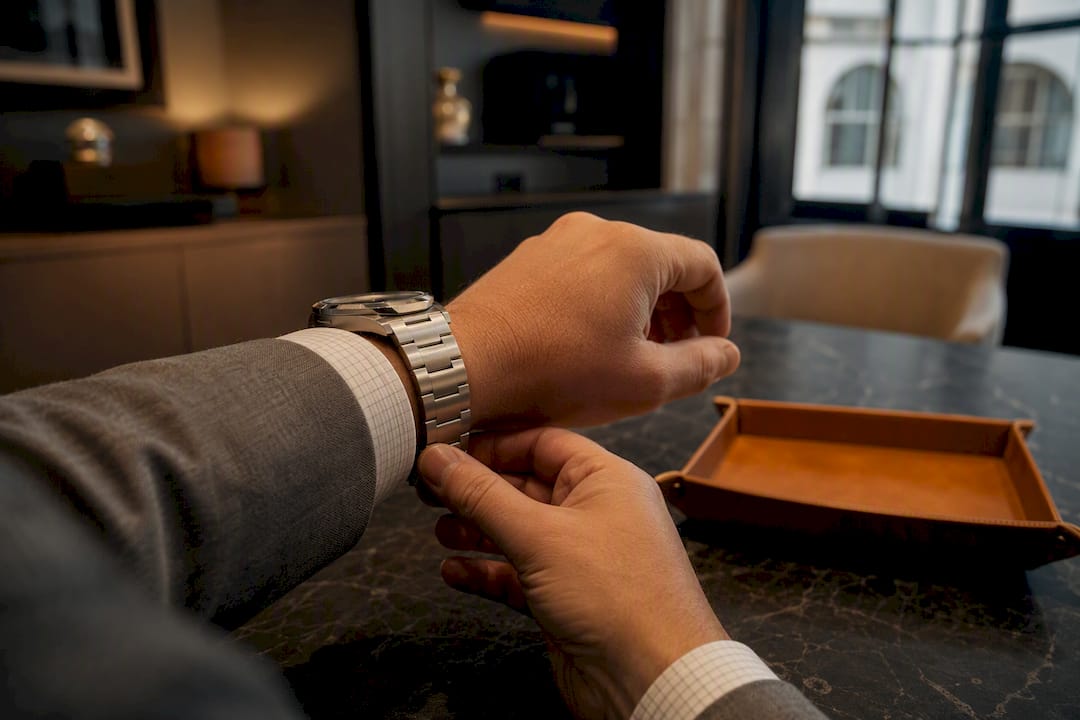
Your best first luxury watch is a versatile, well-made piece you will wear regularly, bought through a trustworthy route rather than the cheapest one you can find. For most buyers, that means around £2,000 to £5,000, spent either new through an authorised dealer or on a certified pre-owned piece from a reputable specialist. Horology-kings sources and authenticates exactly this kind of purchase, so getting expert eyes on a watch before you commit costs nothing and saves plenty.
TL;DR:
Choose a watch with proven, serviceable movement and reliable build quality to minimize repair difficulty and ensure longevity.
Focus on versatile styles like sports, dress, or hybrid watches that suit daily wear and fit comfortably on your wrist to avoid future dissatisfaction.
Expect to spend between £2,000 and £5,000 for a well-finished, engineered first luxury watch with good movement performance and a solid service network.
Buy from reputable authorized dealers or certified pre-owned specialists to guarantee authenticity, proper servicing, and clear provenance.
Insure your watch with a dedicated luxury watch policy using recent valuation documents, and avoid private sales with unverified listings to reduce risk.
Table of Contents
What makes a great first luxury watch
Most first-time buyers ask the wrong question. They ask “which brand?” when they should be asking “which movement, and can I live with this on my wrist every day?” Brand story is the part everyone obsesses over and the part that matters least to how a watch actually performs and holds up.
Five things separate a genuinely good first purchase from an expensive mistake:
Movement quality — is it a proven, serviceable calibre with parts availability, or something niche that will strand you at the first repair?
Build quality — case tolerances, bracelet or strap fit, and how the watch feels on the wrist after a full day, not just under a jeweller’s light.
Versatility — can it go from a boardroom to a Saturday without looking wrong in either setting?
Service network — can you get it serviced locally, or does every repair mean posting it abroad and waiting months?
Ownership costs — servicing, straps, insurance, and eventual repairs, not just the sticker price.
One useful way to think about a first luxury watch is as three purchases stacked on top of each other: the movement as the technical core, the case and design as the piece of industrial engineering you actually see and touch, and the brand story sitting on top of both. Buyers who chase the story first and check the other two later are the ones who end up disappointed eighteen months in.
Service intervals matter more than most buyers expect going in. A mechanical watch typically needs a full service every five to seven years, and that service is not cheap. Budget somewhere between £300 and £800 for a routine service on a mainstream Swiss movement, more for complicated pieces or brands with in-house service centres. That figure should sit in your head from day one, not arrive as a surprise the first time your watch runs slow.
Pro Tip: Ask any dealer, before you buy, exactly what a service costs and how long it takes for that specific reference. If they can’t answer confidently, that tells you something about how well they know their own stock.
Guides that specialise in this exact decision put the comfortable spending range at roughly £2,000 to £5,000, the point where finishing quality jumps noticeably and movements start feeling properly engineered rather than merely adequate. Go much lower and you are often paying for a logo. Go much higher on a first purchase and you risk buying before you know what you actually like to wear.
Ownership costs beyond the purchase price deserve equal weight. Beyond servicing, factor in a spare strap or bracelet link adjustment, insurance, and the eventual cost of a battery, gasket, or crystal replacement. None of these are dramatic on their own. Together, ignored, they turn a well-budgeted purchase into a source of quiet resentment.
Style categories and sensible watch options for first-time buyers
Every luxury watch on the market falls, roughly, into one of three usable buckets. Knowing which one fits your life matters more than knowing which brand is trending this year.
1. Sports and diver watches. Built for durability, usually water resistant to 100 metres or more, and designed to survive being knocked about. These are the watches you can swim in, garden in, and still wear to dinner without a second thought. Think of the Omega Seamaster line or the Tudor Black Bay as the archetypes here, both frequently cited in regret-avoidance guides as sensible starting points precisely because they are so versatile.
2. Dress watches. Thinner, quieter, usually with a leather strap and a simpler dial. A dress watch disappears under a cuff and reappears with real presence when you roll your sleeve up for dinner. Grand Seiko’s dress pieces are a frequently cited example of finishing quality that rivals far pricier competitors, largely because the brand’s zaratsu polishing technique produces case edges that catch light in a way few rivals match at the price.
3. Hybrid or dress-sport watches. The boardroom-to-weekend category, built to move between contexts without ever looking out of place. The Cartier Santos is the model most often used as shorthand here: a design with genuine 1904 pedigree that still reads as contemporary rather than costume.
The honest advice from people who have watched hundreds of first-time buyers make this decision is to resist the pull of hype models entirely. Regret-free buying guides consistently steer newcomers towards versatile, readily available references rather than allocation-only pieces that require years on a waiting list. A watch you can actually buy and wear this year beats a watch you might get in 2029.
Matching style to your actual life
Ask yourself three questions before you fall in love with a specific reference:
What do I wear most days, and does this watch sit comfortably under a cuff or on a bare wrist doing manual work?
Do I need genuine water resistance, or am I buying a diver’s look for a life that never goes near a pool?
Will I still want to wear this in five years, or am I buying the version of myself I think I should be?
Fit matters just as much as style category, and this is where most first-time buyers go wrong in a fitting room. Case diameter gets all the attention online, but lug-to-lug measurement, the distance from one edge of the case to the other across your wrist, determines whether a watch actually sits well. A 40mm watch with a long lug-to-lug can wear far larger than a 42mm watch with a compact case. The only way to know is to try it on.
Genuine collectors and dealers alike tend to say the same thing: try several watches on over multiple days rather than deciding in a single showroom visit. Your wrist looks different at the end of a long day than it does first thing in the morning, and a watch that photographs beautifully can still feel wrong after ten hours.
A few practical checks worth running in person:
Rotate your wrist and check whether the case digs into the top of your hand at full flex.
Fasten the clasp or buckle at the tightness you would actually wear daily, not the showroom demo setting.
Check how the crown sits against the back of your hand, particularly on divers with larger crown guards.
Budget bands, new vs pre-owned and realistic value expectations
Knowing where your budget sits tells you what to actually expect, which saves a lot of disappointment before you even start shopping.
Under £1,000. Entry-level Swiss and premium Japanese pieces. Movements are typically reliable but simple, finishing is decent rather than exceptional, and brand prestige is limited. A perfectly sensible place to start if this is a trial run before a bigger purchase later.
£1,000 to £3,000. The lower half of what most guides call the sweet spot. Expect solid in-house or well-regarded third-party movements, proper finishing, and genuine brand backing with a real service network.
£3,000 to £6,000. The upper half of that sweet spot, and where most first serious luxury purchases land. This is where the industry consensus places the ideal first-watch budget, because you get genuinely good movements, strong finishing, and a piece that will hold its own for decades rather than feeling like a starter watch you outgrow.
£6,000 and above. Serious horology, complications, and manufacture movements with real heritage. Excellent territory once you know what you like, but a risky place to start if you have never owned a mechanical watch before.
New versus pre-owned is really a question about what you are optimising for. Buying new from an authorised dealer gets you full manufacturer warranty and complete peace of mind on authenticity, though waiting lists on popular references can run into years. Certified pre-owned from a reputable dealer typically means immediate availability and noticeably better value, since depreciation has already happened, but it demands careful authentication and inspection before money changes hands.
Set your expectations on resale now, before you buy, not after. The overwhelming majority of watches depreciate the moment they leave the shop, just like a car. A small number of steel sports references occasionally hold or exceed retail, but treating your first purchase as an investment vehicle is the fastest route to buyer’s remorse. Buy it because you will wear it, not because you expect to sell it for a profit in three years.
Practical buying checklist: inspect, authenticate and decide
Whether you are stood in a shop or scrolling a listing at midnight, the same checks apply. Work through them in order and resist the urge to skip steps because you are excited.
Try it on properly. Wear it for at least ten minutes, walk around, check the clasp against your actual wrist size, not the display link count.
Assess lug-to-lug fit. Measure or ask for the exact figure, then compare it against your wrist width, not just the case diameter.
Check movement health. A timegrapher reading showing consistent beat error and rate within a reasonable range is a strong sign of a healthy movement; ask any specialist dealer to show you one before you commit.
Confirm recent service history. A watch serviced within the last few years, with paperwork to prove it, is worth more confidence than one with an unknown service gap.
Verify serial numbers against papers. Cross-check the case back or between-lugs serial against the accompanying paperwork; mismatches are an immediate red flag.
Inspect box and papers. Original boxes, warranty cards, and purchase receipts add both authenticity confidence and resale value later.
Authentication is where most first-time buyers get caught out, usually because they trust a seller’s confidence rather than asking for proof. A trustworthy seller will happily let you examine the case back engravings, movement finishing through the case back where visible, and dial printing quality under magnification. Genuine pieces show crisp, evenly spaced printing. Fakes often show slightly blurred logos, printing that sits fractionally off-centre, or a date window magnification (the cyclops lens on many Rolex models) that magnifies less than it should.
Red flags worth walking away from: a seller who refuses independent inspection, pressure to pay by untraceable methods, prices dramatically below market for the reference, or missing documentation with a vague explanation. None of these individually prove a scam, but together they should make you pause.
Pro Tip: Never wire money to a private seller before physically inspecting the watch or having it inspected on your behalf. A secure bank transfer through a dealer with a verifiable trading history and reviews protects you far better than a bank transfer to a stranger’s account ever will.
On payment safety, prefer traceable methods over cash for anything above a few hundred pounds, and always get a written receipt describing the exact reference, serial, and condition agreed. Build your first-year budget to include a service reserve and insurance from day one rather than treating them as optional extras you’ll sort out later. Our regret-avoidance buyer’s guide covers this checklist in more depth if you want the full walkthrough before your first viewing.
Where to buy and why a specialist dealer helps
Three routes exist to buy a first luxury watch, and each carries a genuinely different risk profile.
Authorised dealers offer full manufacturer warranty and total certainty on authenticity, at the cost of list price and, on popular references, a waiting list. Reputable pre-owned dealers offer better value and immediate stock, provided they authenticate properly and stand behind what they sell. Private sales can offer the sharpest prices but put the entire authentication burden on you, with no recourse if something is wrong.
A good specialist dealer earns their margin by removing risk you cannot easily remove yourself. That means independent authentication on every piece, secure payment handling rather than informal transfers to strangers, and clear provenance documentation you can hand to an insurer without a second thought. Buyer reviews on platforms such as Trustpilot are worth reading alongside a dealer’s own authentication claims, since genuine transaction histories tell you how a dealer behaves when something goes slightly wrong, not just when everything goes right.
Horology-kings was built around exactly this gap for first-time buyers. The curated stock is authenticated before it ever reaches a listing, the sourcing service tracks down specific references you cannot find on the open market, and every transaction runs through secure UK bank transfers rather than informal arrangements. Free valuations mean you can also get an honest second opinion on a watch you are considering elsewhere, before you commit a single pound.
Watch materials and how they shape durability and style
Case material affects far more than looks. It determines how a watch survives daily wear, how heavy it feels, and how much it costs to repair scratches later.
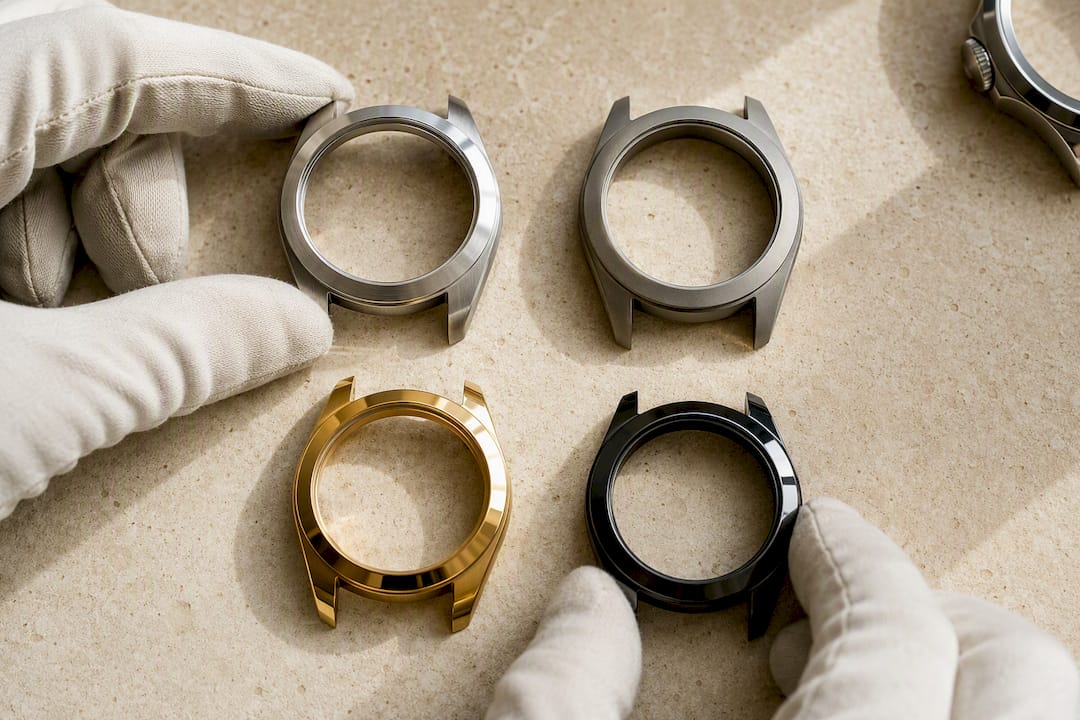
Stainless steel, typically 904L or 316L grade, remains the default for good reason. It resists corrosion well, polishes back to near-new condition after scratches, and suits both sports and dress designs.
Titanium cuts weight significantly, roughly 40% lighter than steel, which matters enormously on larger diver cases. It resists corrosion brilliantly but scratches more easily and cannot be polished back to a mirror finish the way steel can.
Gold, whether yellow, rose, or white, signals traditional luxury and holds material value independent of the watch itself. It is also soft, prone to visible wear on case edges over years, and considerably heavier on the wrist.
Ceramic, common on bezels and increasingly full cases, resists scratching almost entirely and never fades under UV exposure. Its brittleness under a hard impact is the trade-off, since a cracked ceramic bezel typically means a full replacement rather than a polish.
For a first watch, stainless steel remains the sensible default. It is the easiest and cheapest material to service, repairs well after inevitable daily-wear scratches, and gives you flexibility to sell or trade later without a niche material limiting your buyer pool.
Basic maintenance tips for luxury watches
Good maintenance habits cost nothing and add years to a movement’s working life. A few simple ones matter more than any specialist product you could buy.
Wind manual and automatic watches by wearing them regularly. A mechanical movement left still for months can develop dried lubricant issues that a simple weekly wind would have prevented.
Keep watches away from strong magnets. Phone cases, laptop lids, and handbag clasps all carry magnets strong enough to affect a movement’s timekeeping accuracy, and a magnetised watch often needs a demagnetising service to correct.
Rinse a water-resistant sports watch with fresh water after any exposure to seawater or chlorinated pools, since salt and chlorine both degrade gaskets faster than fresh water alone.
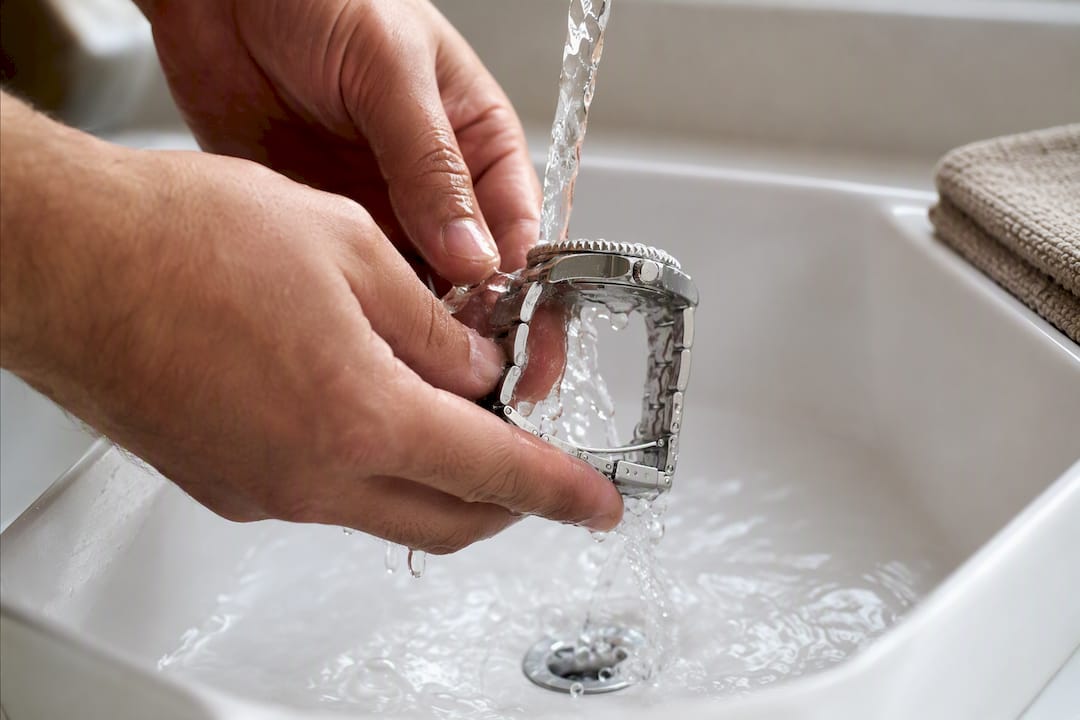
Get gaskets checked roughly every two to three years even between full services, particularly if you swim regularly, since a perished gasket is the single most common cause of water damage on an otherwise healthy watch.
Store watches you are not wearing in a dry box away from direct sunlight, which fades certain dial finishes and can dry out leather straps prematurely.
None of this replaces a proper service on the interval your movement requires, but it noticeably extends the gap between problems and the bill that comes with them.
How to insure a luxury watch
Standard home contents insurance rarely covers a luxury watch properly, and this catches out more first-time buyers than almost anything else on this list. Most standard policies cap single-item claims at a few hundred pounds, well below what any genuine luxury watch costs to replace.
Specialist watch insurance, either as a named single-item policy or an add-on rider through a specialist insurer, is the sensible route. You will typically need a recent valuation, proof of purchase, and clear photographs of the watch including the case back serial. Keep that documentation somewhere accessible rather than filed away and forgotten, since a claim without proof of ownership and value moves far slower.
Review your insured value every few years, particularly for pieces that have appreciated. An insurance figure set at purchase five years ago may no longer reflect what it would cost to replace the watch today, and being underinsured only becomes obvious at the worst possible moment.
Getting a free valuation before you insure is worth doing regardless of where you bought the watch, since an accurate figure protects you properly without over-insuring and paying unnecessary premium.
A typical timeline from research to final purchase
Most first-time buyers move through four distinct phases, and rushing any of them is where regret tends to start.
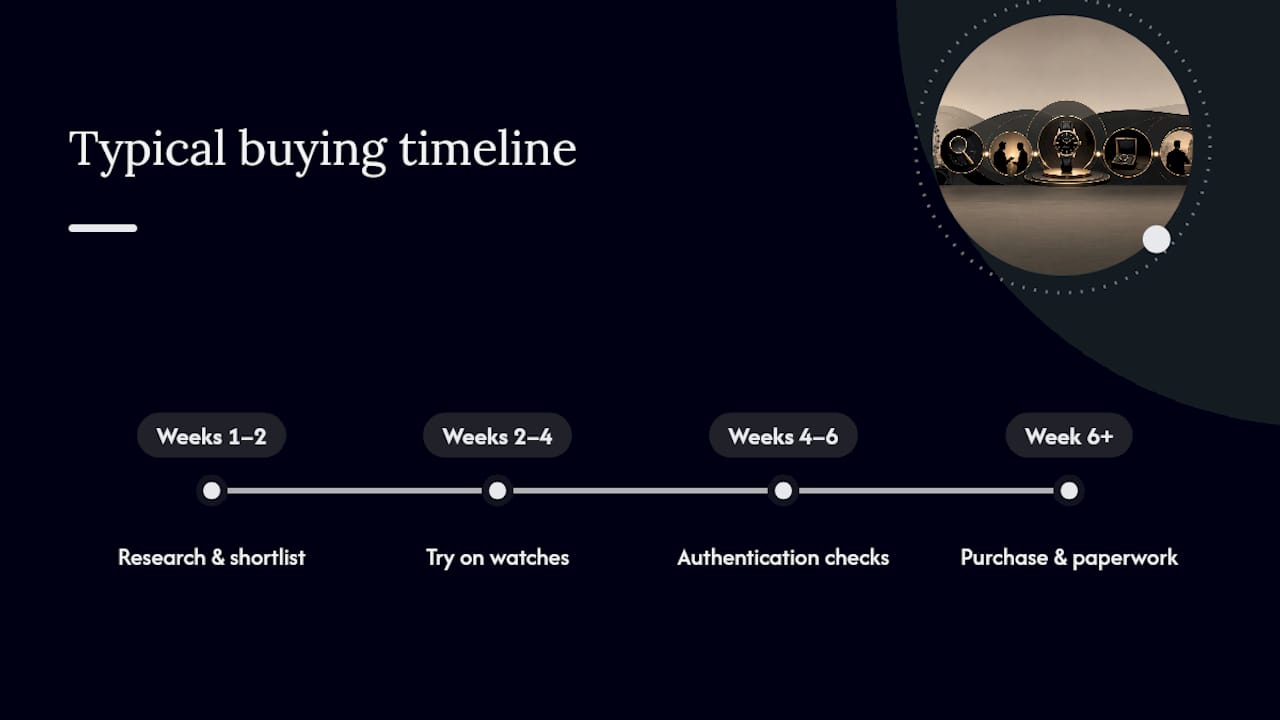
Weeks one to two: research and narrowing down. Decide your budget band, your style category, and shortlist three or four references rather than one. This is the phase for reading guides, not spending money.
Weeks two to four: trying watches on. Visit dealers, handle real pieces, and resist buying on the first visit. Wearing a shortlist over multiple sittings, ideally across different days, reveals fit issues a single showroom moment never will.
Weeks four to six: authentication and final checks. Once you have settled on a specific reference and seller, this is when serials, papers, service history, and movement health all get verified properly.
Week six onwards: purchase and paperwork. Secure payment, confirm receipt of box, papers, and warranty documentation, then arrange insurance before the watch ever leaves the dealer’s premises.
Six weeks feels slow against the temptation to buy on day one, but it is roughly the timeframe that separates a watch you will still love in five years from one that quietly ends up back on the market within twelve months.
Lewis’s short, practical advice to first-time buyers
If there is one piece of advice worth remembering above everything else in this guide, it is this: wrist fit and daily wearability beat rarity every single time. A rare reference you struggle to wear comfortably will end up in a drawer within a year, whatever it cost. A well-fitting, versatile watch you reach for without thinking becomes part of your life rather than a display piece.
Prioritise trying watches on over reading specification sheets. For the deeper detail on authentication and avoiding common first-time mistakes, our regret-avoidance guide is worth your time before you visit a dealer.
— Lewis
How Horology-kings helps you buy your first luxury watch with confidence
Horology-kings gives first-time buyers something the open market cannot: a curated, pre-authenticated selection of Swiss watches with the risk already removed before a piece ever reaches you. Every watch in the catalogue has been checked for authenticity and condition, so you are choosing between genuine options rather than gambling on a private listing.

Beyond the current stock, the sourcing service exists precisely for buyers who know what they want but cannot find it, tracking down specific references across a trusted network rather than leaving you to trawl private sales alone. Every transaction runs through secure UK bank transfers, and a free valuation is available whether you are buying, selling, or simply want an honest second opinion on a watch you have seen elsewhere. If you already have a reference in mind, visit the main Horology-kings site to browse current stock, or go straight to Source a Watch to start a sourcing enquiry today.
Sources
For deeper detail on the points covered here, see Escapement’s first luxury watch guide, The Watchology’s buying guide, and Fratello’s regret-free guide. Horology-kings also covers authentication in full in How to Authenticate a Luxury Watch Before You Buy.
Recommended
Comments