.png)
Watch water resistance explained for buyers
TL;DR:
Water resistance ratings are laboratory pressure measurements, not guarantees of real-world water exposure safety.
Buying a watch rated at 30m or 50m for swimming or diving often leads to costly damage due to overestimating its capabilities.
Many buyers assume “water resistant” means a watch can handle almost anything wet. That assumption gets expensive. Understanding what is watch water resistance, and more importantly what it is not, is one of the most practical things you can do before wearing a new timepiece near water. The rating on your dial is a laboratory figure, not a real-world promise. Get it wrong with a Rolex Submariner and you may be fine. Get it wrong with a dress watch rated to 30m and you could be looking at a costly repair or a ruined movement.
Table of Contents
Key takeaways
Point | Details |
Ratings are lab figures | Water resistance ratings reflect controlled static pressure tests, not real swimming or diving conditions. |
30m does not mean swimming | A 30m or 3 ATM rating covers splashes and rain only, not immersion or swimming. |
ISO 6425 matters for diving | Only watches certified to ISO 6425 are genuinely tested and rated for scuba diving use. |
Seals age and must be tested | Gaskets degrade over time regardless of use; professional pressure testing every one to two years is recommended. |
Match the rating to your life | Choose a water resistance level that exceeds your most demanding water activity by at least one full tier. |
What watch water resistance actually means
The phrase “water resistant” replaced “waterproof” for good reason. The term ‘waterproof’ is now deprecated across the industry because no watch can be unconditionally sealed against water under all conditions. Every watch has a threshold, and every rating comes with caveats.
Water resistance in horology refers to a watch’s ability to withstand water pressure up to a specified limit under controlled conditions. That limit is measured in metres, atmospheres (ATM), or bar, all of which represent units of pressure rather than literal depth. One ATM equals roughly ten metres of static water pressure at sea level, and the three measurements are essentially interchangeable for practical purposes.
“Water resistance ratings describe how much water pressure the watch is sealed to withstand under specified laboratory conditions, not a guarantee you can safely reach that printed depth in real use.” — Marathon Watch
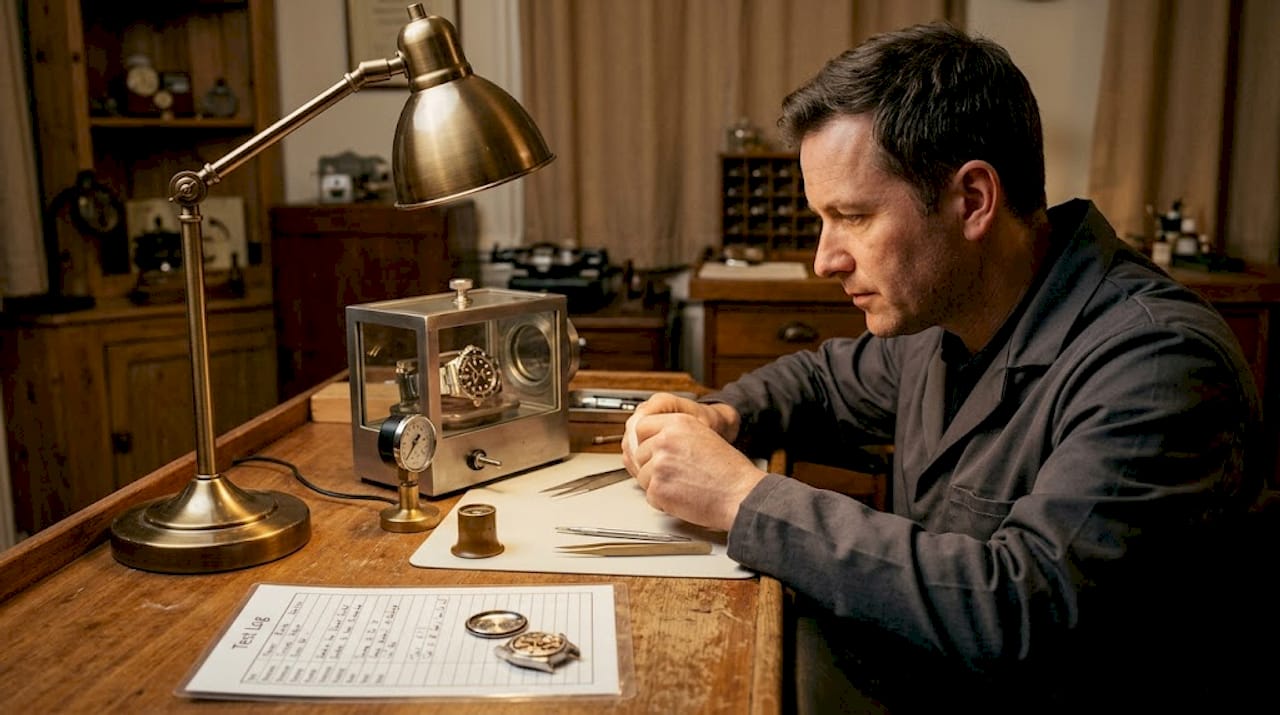
The testing itself is worth understanding. Most water resistance testing is performed using hyperbaric chambers that slowly increase static pressure. There is no replication of rapid movement, wave impact, or sudden temperature change. The two primary standards you will encounter are ISO 22810, which governs everyday water-resistant watches, and ISO 6425, which governs certified dive watches. ISO 22810 covers basic sealing for splashes and immersion. ISO 6425 is far more demanding and we will cover it in detail shortly.
The key sealing components are the crystal gasket, case back gasket, and crown seal. The integrity of all three determines how well the watch resists water ingress. A single compromised seal is enough to let water in, regardless of what the dial says.
Water resistance ratings and what they actually allow
This is where most confusion lives. The numbers on the dial sound impressive in theory and mislead in practice. Here is what each tier genuinely permits in the real world.
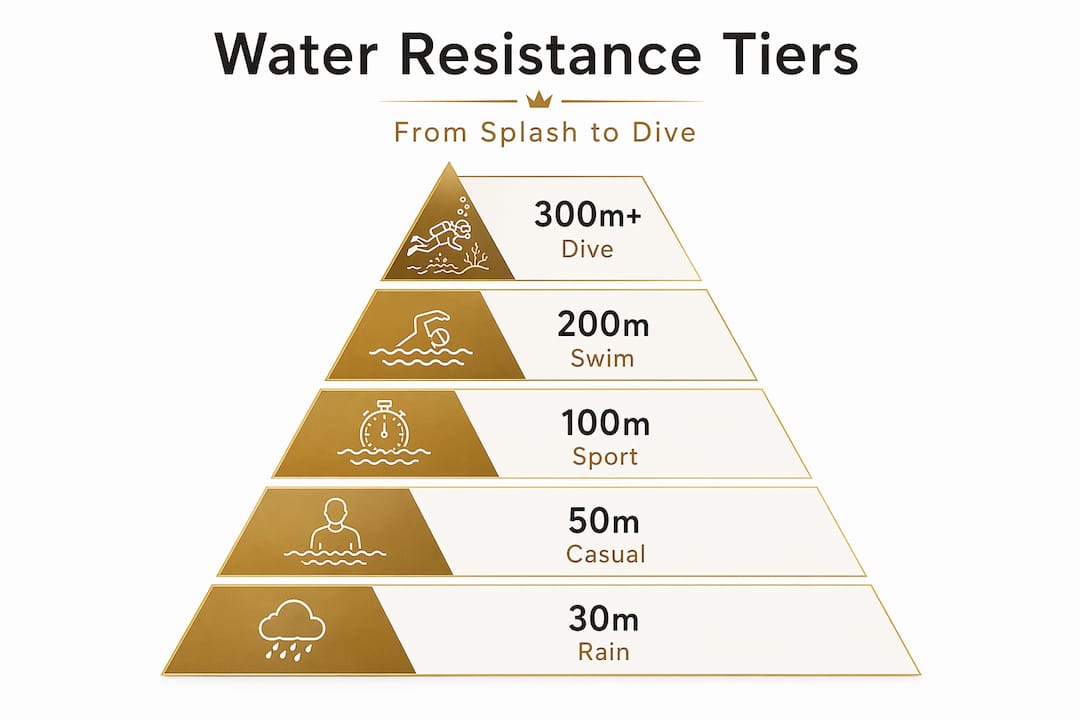
Rating | Equivalent | Practical activities |
30m | 3 ATM / 3 bar | Splashes, rain, hand washing only |
50m | 5 ATM / 5 bar | Splashes and brief surface contact; risky for swimming |
100m | 10 ATM / 10 bar | Recreational swimming, snorkelling |
200m | 20 ATM / 20 bar | Recreational scuba diving |
300m+ | 30 ATM+ / 30 bar | Professional diving, saturation diving |
A 30m or 3 ATM rating is one of the most misunderstood figures in watchmaking. Most people read “30 metres” and assume swimming is safe. It is not. This rating covers light splashes and rain. Submerging a 30m watch in a swimming pool, even briefly, carries a real risk of water ingress.
The 50m tier is not much better. Many dress watches and fashion pieces carry this rating, and while brief surface exposure may be tolerated, it is not rated for swimming. Treat it as a slightly more comfortable version of 30m and no more.
At 100m or 10 ATM, recreational swimming and surface snorkelling become genuinely safe activities. This is the entry point for what most people think of as a proper sports watch rating. Many popular Omega Seamaster and Rolex Oyster variants sit well above this line.
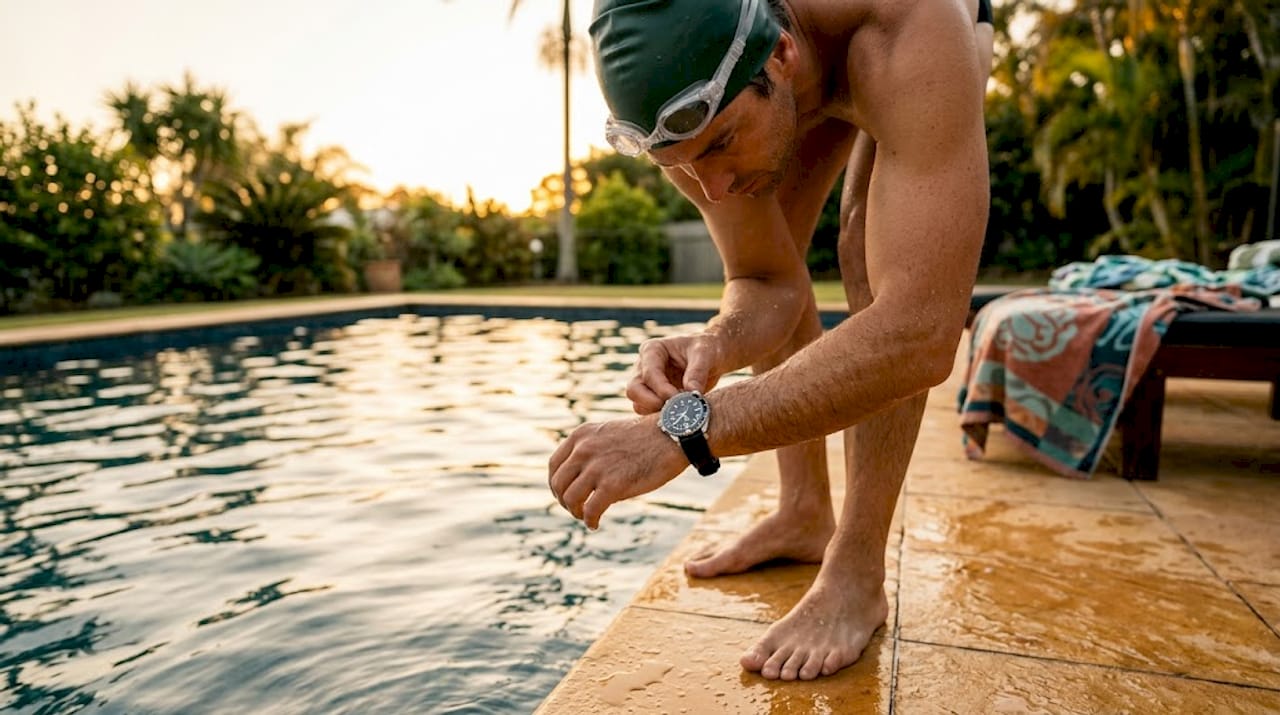
Pro Tip: When in doubt, buy one tier above what you think you need. If you swim casually, choose 100m minimum. If you snorkel, 200m gives you a comfortable margin.
The 200m and 300m ratings enter dive watch territory, but an important distinction applies. A watch rated to 200m through standard testing is not automatically certified for scuba diving. Only watches holding ISO 6425 certification have passed the rigorous multi-step tests required for confirmed dive use, including overpressure at 125% of rated depth, thermal shock testing, saltwater corrosion resistance, and legibility checks. A 200m watch without that certification is a capable sports watch. With it, it is a certified dive tool.
How real-world conditions challenge water resistance
Laboratory ratings and pool use are not the same thing. This is one of the most practical points in the entire subject of water resistance levels in watches, and it is consistently underplayed in marketing materials.
Dynamic pressure from movement in water can significantly increase localised pressure on a watch case. A fast freestyle swimming stroke generates pressure spikes that exceed what a static lab test measures at the same depth. The impact of a dive entry, a wave strike, or even aggressive water jets from a shower can momentarily push pressure well beyond the rated threshold.
Temperature is another factor that rarely appears on spec sheets but matters enormously in practice. Moving from a hot tub into cold water, or from a warm shower into cool air, causes the metal case and seals to expand and contract at different rates. This thermal cycling gradually weakens gasket integrity.
Key real-world risk factors include:
Crown position. A crown left in the pulled-out position on a screw-down mechanism eliminates water resistance almost entirely. Always screw the crown fully home before water exposure.
Saltwater. Seawater accelerates corrosion on case materials and degrades gasket rubber faster than fresh water. Rinse with fresh water after ocean exposure.
Ageing seals. Gasket materials age even without water exposure. Rubber and synthetic seals harden and crack over years, silently reducing the watch’s actual resistance below its stated rating.
Pressurised water. Water jets, power showers, and jet ski spray can all generate transient pressure spikes that overwhelm ratings that would otherwise be adequate.
Physical impacts. Striking the watch against a hard surface near water can temporarily deform the case, allowing ingress even through otherwise intact seals.
Understanding watch performance underwater means accepting that the dial figure represents an ideal scenario. Real use introduces variables the lab does not account for.
Maintaining your watch’s water resistance
Water resistance is not a fixed property. It degrades. The good news is that consistent maintenance keeps it where it should be, and the cost of servicing is far lower than the cost of a water-damaged movement.
Schedule professional pressure testing every one to two years. Water resistance degrades with age and use. A certified watchmaker can test your watch using a dry pressure test or wet pressure test to confirm the seals are holding.
Service after battery changes. Opening the case back to change a battery exposes the gasket to handling and potential misalignment. Any watch opened for any reason should have its water resistance verified afterwards.
Inspect the crown regularly. On screw-down crowns, check the mechanism moves freely and screws fully home. On push-pull crowns, check for signs of wear on the tube or crown itself.
Rinse after saltwater exposure. Fresh water removes salt and debris that accelerate seal deterioration. This takes thirty seconds and extends seal life materially.
Book a full watch service when due. A full service at the manufacturer’s recommended interval includes gasket replacement as standard, restoring water resistance to its original specification.
Pro Tip: If you own a luxury watch and wear it near water regularly, treat pressure testing as an annual appointment rather than something you only do when something goes wrong. The seal you cannot see failing is the most expensive one to ignore.
Good maintenance practices for luxury timepieces do not just protect against water. They preserve the watch’s condition, its accuracy, and its resale value. A serviced watch with documented history commands significantly more on resale than an unserviced equivalent.
Quick reference: ratings, activities, and risks
Use this table to match your lifestyle to the right water resistance tier before you buy.
Rating | Safe activities | Avoid | ISO 6425 required? |
30m / 3 ATM | Hand washing, rain | Swimming, any immersion | No |
50m / 5 ATM | Splashes, brief surface contact | Swimming, snorkelling | No |
100m / 10 ATM | Swimming, snorkelling | Scuba diving | No |
200m / 20 ATM | Recreational scuba diving | Saturation diving | Recommended |
300m+ / 30 ATM+ | Professional diving | Nothing at this tier | Yes |
The most common mistake buyers make is purchasing a watch rated to 100m and then using it for scuba diving. The rating sounds sufficient. It is not, particularly without ISO 6425 certification. If diving is your activity, that certification is not optional. Everything else about the rating is secondary to it.
My honest take on water resistance myths
I have handled and assessed hundreds of watches over the years, and the water resistance conversation is the one I end up having most often with buyers who have already made an expensive mistake.
The myth that a higher number means proportionally more safety in the water is persistent and damaging. I have seen beautiful pieces with 50m ratings brought in with fogged crystals and ruined movements after their owners wore them in the sea. The rating was visible on the dial. The fine print was not.
What I tell every buyer is this: the printed rating reflects a perfect moment in time under controlled conditions. The moment you factor in age, seal wear, temperature, movement, and the sheer unpredictability of real water, that number shrinks. A 200m watch tested at 125% pressure has a built-in margin. A 30m dress watch worn swimming has none.
I also believe the industry does itself no favours by labelling watches in metres at all. It implies depth when the figure describes pressure, and pressure under static conditions at that. ATM or bar would at least be honest about what is being measured.
My own rule is straightforward. Anything I wear near water gets an annual pressure test, regardless of the brand or rating. It costs less than a dinner out and it has saved me from expensive repairs more than once. If you own a piece you genuinely care about, that service appointment is worth more than any warranty claim you will ever try to make.
— Lewis
Find the right watch with Horology Kings

At Horology-kings, we believe an informed buyer is the best kind of buyer. Whether you are searching for a Rolex with proven water resistance, an Omega Seamaster rated for genuine dive use, or a dress watch you understand the limitations of, our team can help you source the right piece with confidence. Every watch in our curated selection is authenticated and verified before it reaches you. Visit Horology Kings to browse our current inventory, or use our watch sourcing service if you have a specific model in mind. We also offer full pressure testing and servicing for watches already in your collection, handled by trusted specialists.
FAQ
What is watch water resistance?
Watch water resistance is a measure of how much water pressure a watch case can withstand under controlled laboratory conditions. It is not a guarantee of safe use at the equivalent depth in real-world situations.
What does a 30m water resistance rating mean?
A 30m or 3 ATM rating means the watch can handle splashes and rain but should not be submerged or worn swimming. Despite the depth number, this rating does not indicate suitability for immersion.
How often should I have my watch pressure tested?
Professional pressure testing is recommended every one to two years, and after any service that involves opening the case. Gaskets degrade with age even without water exposure, so regular testing keeps your actual protection in line with the stated rating.
What is ISO 6425 and why does it matter?
ISO 6425 is the international standard for certified dive watches. Watches holding this certification have passed tests covering overpressure at 125% of rated depth, thermal shock, shock resistance, and saltwater corrosion, making them genuinely fit for scuba diving rather than simply rated to a depth figure.
Is a 100m watch safe for scuba diving?
A 100m watch is suitable for recreational swimming and snorkelling but is not recommended for scuba diving. For scuba use, you need a watch rated to at least 200m and ideally holding ISO 6425 certification to meet the demands of diving environments.
Recommended
Comments