.png)

How to negotiate watch sales: expert tips for UK collectors
- lewisvrichards3
- Mar 17
- 8 min read

Negotiating luxury watch sales in the UK can feel daunting, whether you’re buying a rare Patek Philippe or selling your Rolex. Market volatility, counterfeit risks, and dealer tactics create challenges that can cost thousands. Yet with proper preparation and strategic execution, you can secure fair prices and protect your investment. This guide reveals expert-backed negotiation strategies tailored for UK collectors navigating 2026’s high-end watch market, helping you approach every transaction with confidence and clarity.
Table of Contents
Key takeaways
Point | Details |
Research market prices | Compare retail versus auction results to establish realistic valuation benchmarks before negotiating |
Verify authenticity first | Professional authentication prevents costly mistakes and strengthens your negotiating position |
Master negotiation tactics | Build rapport, present research, set target prices, and know when to walk away |
Choose sales channels wisely | Dealer offers provide convenience whilst private sales may yield higher returns |
Document everything | Secure payment methods and detailed transaction records protect your investment |
Preparing to negotiate: research and valuation
Successful negotiation begins long before you make an offer. Negotiation success hinges on thorough research, patience, and market understanding, forming the foundation for every strategic decision. You need concrete data about current market values, retail pricing, and recent auction results for comparable timepieces. This knowledge transforms you from a hopeful buyer into an informed negotiator who can spot inflated prices or undervalued gems.
Start by examining auction house results from Christie’s, Sotheby’s, and specialist watch auctions. These provide real-world transaction data that reflects actual buyer willingness to pay, not aspirational retail figures. Compare these against authorised dealer pricing and grey market offerings to identify the realistic price corridor. Understanding the current market price is crucial for effective negotiation, giving you the leverage to counter unrealistic opening positions.
Brand | Retail Range (£) | Current Market Estimate (£) | Variance |
Rolex Submariner | 7,000-9,500 | 8,500-11,000 | +15-20% |
Patek Philippe Nautilus | 28,000-35,000 | 45,000-65,000 | +60-85% |
Audemars Piguet Royal Oak | 18,000-25,000 | 22,000-35,000 | +20-40% |
Omega Speedmaster | 4,500-6,000 | 4,000-5,500 | -10-8% |
Authentication forms the bedrock of any watch transaction. Authentication is the most important first stage in watch valuation, especially given the sophistication of modern counterfeits flooding the market. Super fakes now replicate serial numbers, movement details, and even packaging with alarming accuracy. Before entering negotiations, verify your watch through professional channels or ensure any purchase includes authentication guarantees.
Consider these essential authentication steps:
Examine serial and reference numbers against manufacturer databases
Inspect movement finishing and component quality under magnification
Verify case construction, crown threading, and bracelet integration
Request original papers, service history, and purchase documentation
Consult specialist authenticators for high-value or rare pieces
Professional watch valuation provides objective assessment beyond online price guides. An experienced valuer examines condition, originality, service history, and market demand to establish realistic pricing. This independent perspective prevents emotional attachment from clouding your judgement and gives you concrete evidence to support your negotiating position. For sellers, it helps you recognise lowball offers, whilst buyers gain confidence they’re paying fair market value.
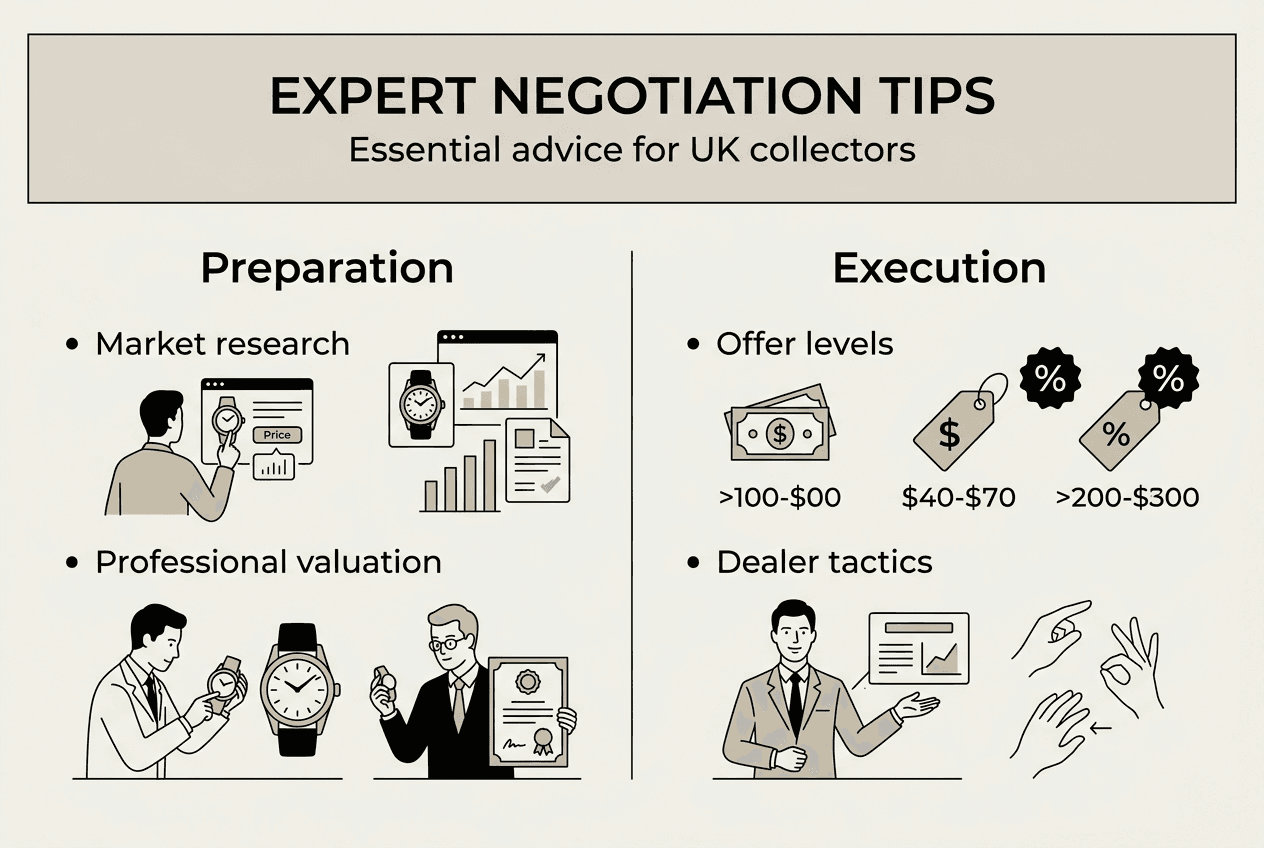
Pro Tip: Build relationships with independent watchmakers and specialist dealers who understand niche markets. Their insights into upcoming trends, limited edition availability, and regional demand variations can reveal opportunities others miss. This network becomes invaluable when authenticating luxury watches or seeking rare references.
Executing negotiation: strategies and tactics
With research complete, you’re ready to engage in the negotiation process itself. Negotiation is an art that requires a well-executed strategy, blending preparation with psychological awareness and tactical flexibility. The goal isn’t simply securing the lowest price, but achieving a fair transaction that reflects genuine market value whilst building goodwill for potential future dealings.
Follow these proven negotiation steps:
Establish rapport through genuine interest in the watch’s history and provenance
Present your research subtly, demonstrating market knowledge without appearing confrontational
Set your target price internally but open discussions with exploratory questions
Listen actively to understand seller motivations, timeline pressures, or financial needs
Make initial offers that leave room for movement whilst remaining within realistic bounds
Respond to counteroffers with specific justifications based on condition, market data, or comparable sales
Know your walk-away point and be prepared to exercise it without hesitation
Timing significantly influences negotiation outcomes. Dealers often face quarterly targets or inventory pressures that create flexibility. Private sellers may need quick sales due to financial circumstances or collection changes. Understanding these motivations helps you position offers strategically. Similarly, market timing matters: buying during periods of broader economic uncertainty or selling during peak demand seasons can shift leverage substantially.
Consider these critical negotiation factors:
Patience trumps urgency; rushing signals desperation and weakens your position
Emotional detachment allows objective assessment of offers and counteroffers
Multiple viewing opportunities reveal details missed in initial inspections
Willingness to walk away demonstrates you’re not desperate, often prompting better offers
Building genuine relationships creates long-term value beyond single transactions
Limited edition watches and discontinued references carry unique negotiating dynamics. Knowledge of limited edition availability can provide leverage in bargaining, particularly when you understand production numbers, regional distribution, and collector demand patterns. A seller may not fully appreciate rarity value, whilst an uninformed buyer might overpay for artificial scarcity. Your research into these nuances becomes a powerful negotiating asset.
UK luxury watch dealers employ various tactics you should recognise. Some create artificial urgency by claiming other interested parties, whilst others anchor negotiations with inflated opening prices. Professional dealers may offer package deals combining watches with accessories or services to obscure actual pricing. Understanding how to trade high-end watches helps you navigate these approaches whilst maintaining focus on your core objectives.
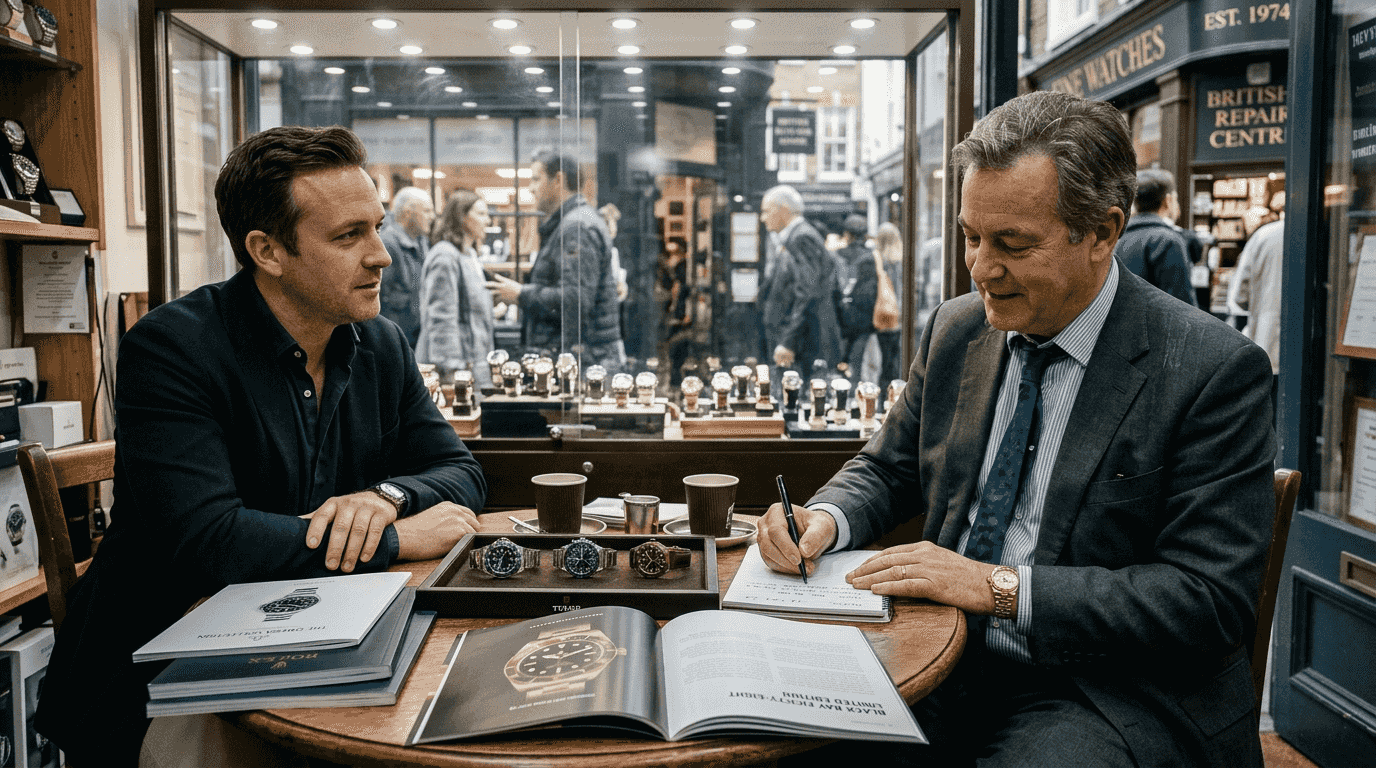
Pro Tip: Prepare three offer levels before negotiations begin: your ideal price, your realistic target, and your absolute maximum. This mental framework prevents emotional decisions during heated discussions and ensures you maintain discipline. When selling watches online in the UK, having clear price floors prevents accepting undervalued offers during vulnerable moments.
Verifying authenticity and closing the deal with confidence
As negotiations near conclusion, final verification steps protect your investment and ensure transaction integrity. Even after initial authentication, conducting additional checks before money changes hands prevents costly mistakes. This stage separates experienced collectors from novices who rush to complete deals without proper safeguards.
Dealers’ direct purchase offers may undervalue watches, whilst consignment offers can promise inflated prices to secure your timepiece. Understanding these dynamics helps you evaluate proposals critically. Direct purchases provide immediate payment and convenience but typically offer 60-70% of retail value. Consignment arrangements promise higher returns but involve waiting periods, commission fees, and market risk.
Sales Method | Advantages | Disadvantages |
Dealer Direct Purchase | Immediate payment, no marketing effort, guaranteed transaction | Typically 60-70% of market value, lowest return |
Consignment Sale | Higher potential returns, dealer handles marketing | Commission fees, waiting period, inflated price promises |
Private Sale | Maximum return potential, direct buyer relationship | Time investment, authentication burden, payment risk |
Auction House | Transparent market pricing, collector audience | High commissions (15-25%), uncertain timing, reserve risks |
Recognise these red flags in dealer offers and authentication:
Pressure to complete transactions quickly without proper documentation review
Reluctance to provide detailed condition reports or allow independent inspection
Prices significantly below or above established market ranges without clear justification
Missing or incomplete service history for modern watches under 10 years old
Vague provenance explanations or inconsistent ownership documentation
Resistance to third-party authentication or professional appraisal
Valuations should ideally be done in person by a registered valuer to ensure authenticity and accurate condition assessment. Remote evaluations miss crucial details visible only under magnification or through hands-on examination. For transactions exceeding £10,000, investing in professional authentication provides insurance against sophisticated counterfeits and misrepresented conditions.
Secure payment methods are non-negotiable for UK luxury watch transactions. Bank transfers through established UK institutions provide traceability and fraud protection. Avoid cash transactions exceeding £5,000, which create security risks and complicate record keeping. For high-value deals, consider using escrow services that hold funds until both parties confirm satisfaction with authentication and condition.
Document every transaction detail meticulously:
Photograph the watch from multiple angles, including serial numbers and condition issues
Obtain written agreements specifying price, payment terms, and return policies
Secure original papers, boxes, service records, and purchase receipts
Record seller contact information and transaction date for future reference
Request warranty coverage details and transferability confirmation
Maintain copies of authentication reports and valuation certificates
When selling second-hand luxury watches, transparency builds trust and justifies premium pricing. Disclose any service history, modifications, or condition issues upfront. Buyers appreciate honesty and are more likely to negotiate fairly when they trust the information provided. Concealing problems inevitably surfaces during inspection, destroying credibility and collapsing negotiations.
Pro Tip: Schedule final inspections during daylight hours in well-lit environments. Natural light reveals dial condition, case finishing, and bracelet wear that artificial lighting masks. Bring a loupe for movement inspection and verify serial numbers match documentation exactly. This final authentication step, conducted immediately before payment, prevents last-minute substitutions or misrepresentations.
Discover Horology Kings for buying and selling luxury watches
Navigating luxury watch negotiations requires expertise, market knowledge, and trustworthy partnerships. Horology Kings brings decades of specialist experience to UK collectors seeking authentic high-end timepieces from Rolex, Patek Philippe, Audemars Piguet, and other prestigious brands. Whether you’re buying your first investment piece or selling a cherished collection, our Hertfordshire-based team provides transparent valuations, secure transactions, and expert guidance throughout the negotiation process.
Our services extend beyond simple buying and selling. We source rare and sought-after watches through our extensive network, connecting you with limited editions and discontinued references that rarely appear on the open market. Professional watch repair and servicing ensures your timepieces maintain value and performance. Visit Horology Kings to explore our current collection, request a confidential valuation, or discuss your specific requirements with our specialist team.
Frequently asked questions
What is the best way to negotiate a watch sale?
Successful negotiation combines thorough market research, professional authentication, and strategic patience. Begin by establishing realistic price ranges through auction results and comparable sales, then approach discussions with clear objectives whilst remaining flexible. Build rapport with sellers, present evidence-based offers, and know your walk-away point. Negotiation is a process requiring multiple interactions, not a single confrontation, so allow time for counteroffers and relationship building.
How can I tell if a luxury watch is authentic before negotiating?
Professional authentication through registered valuers provides the most reliable verification, particularly given sophisticated counterfeit prevalence. Examine serial numbers against manufacturer databases, inspect movement finishing under magnification, and verify case construction details. Request complete provenance documentation including original papers and service records. For high-value pieces, invest in specialist luxury watch authentication before committing to negotiations, as super fakes now replicate even subtle details convincingly.
Should I accept dealer offers or sell privately?
Dealer direct purchase offers provide immediate payment and transaction convenience but typically deliver 60-70% of market value. Private sales require more effort and carry authentication risks but often yield significantly higher returns. Consignment arrangements promise premium pricing but involve commission fees and waiting periods, with some dealers inflating estimates to secure inventory. Consider your timeline, risk tolerance, and willingness to manage the sales process when choosing. For guidance on secure private sales, explore our selling second-hand luxury watches best practices.
How to avoid common mistakes when negotiating watch sales?
Patience prevents costly errors driven by fear of missing opportunities or emotional attachment to specific pieces. Always verify authenticity before entering serious negotiations, as counterfeit discoveries destroy deals and waste time. Resist accepting first offers, as initial positions rarely reflect true market value or seller flexibility. Research market trends thoroughly rather than relying on outdated pricing guides or anecdotal evidence. Prepare multiple offer levels to maintain negotiating discipline and flexibility. Understanding how to trade high-end watches strategically helps you recognise manipulation tactics and maintain objective assessment throughout the process.
Recommended
Comments