.png)

Vintage vs modern watches: key differences explained
- lewisvrichards3
- Jun 14
- 9 min read
TL;DR:
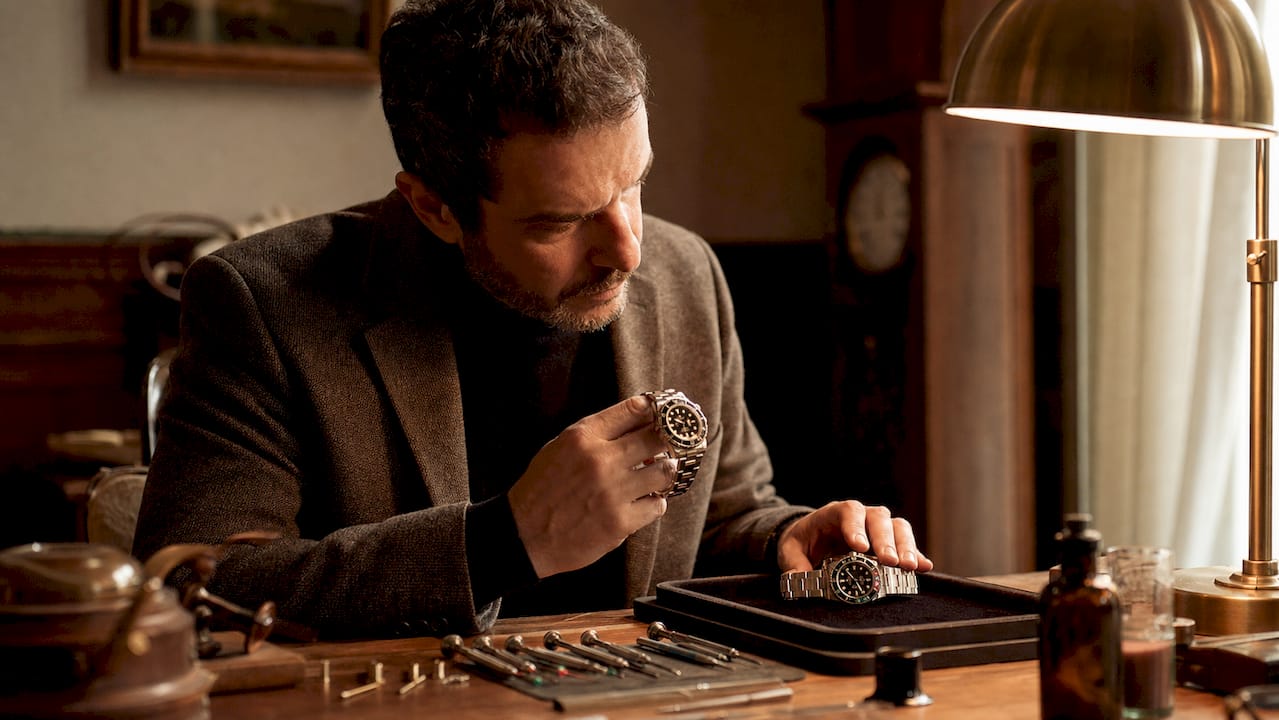
Vintage watches are 20 to 100 years old, reflecting the design and materials of their era, while modern watches incorporate contemporary technology and standards. Key differences include size, materials, lume, water resistance, servicing, and collectability, with vintage pieces valuing originality and historical significance. Proper authentication relies on movement inspection, serial numbers, and provenance, and vintage servicing requires careful preservation to maintain value.
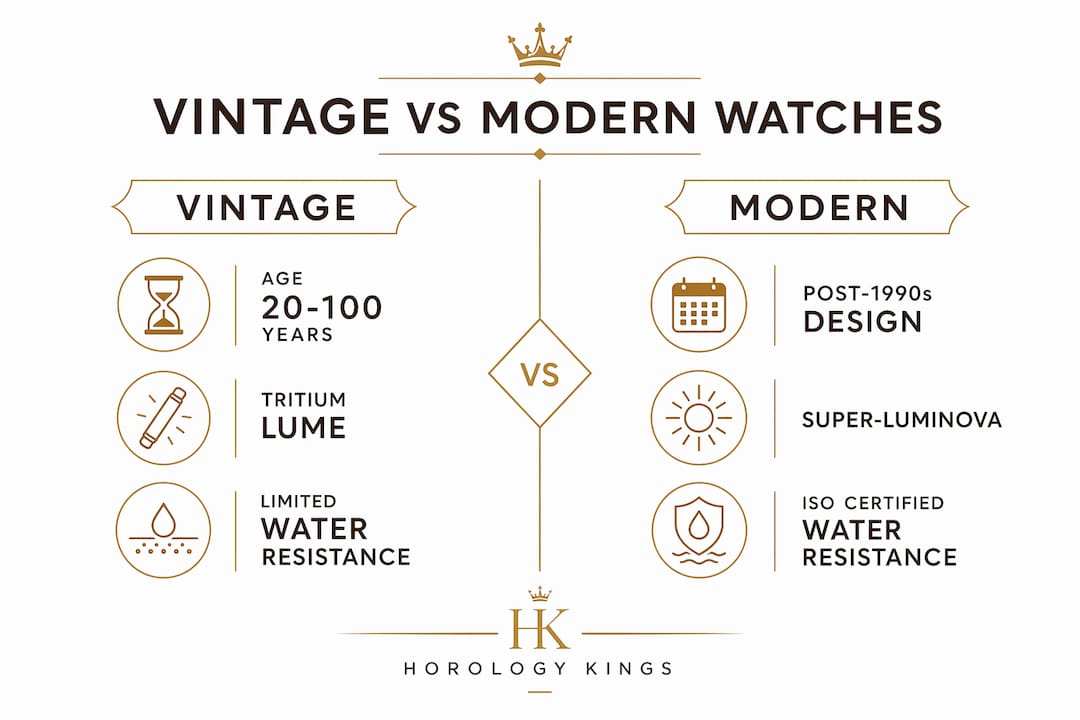
The difference between vintage and modern watches is defined by age, design era, materials, and technology. A vintage watch is generally 20 to 100 years old, reflecting the manufacturing methods and aesthetic language of its period rather than age alone. Modern watches, by contrast, incorporate contemporary materials, current production standards, and features such as ISO-certified water resistance. Both categories attract serious collectors, but they demand very different knowledge, maintenance habits, and buying strategies. Understanding the distinctions between them is the foundation of informed collecting.
What is the difference between vintage and modern watches?
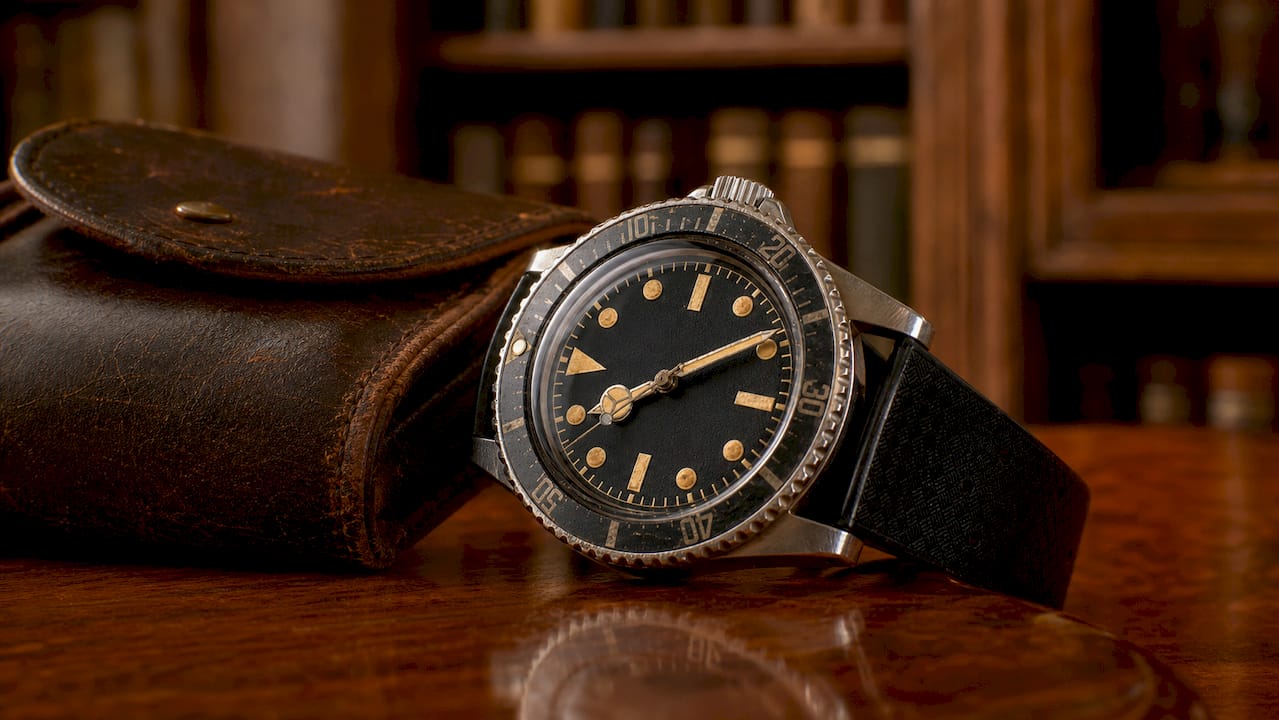
Age is the starting point, but it is not the whole story. A watch qualifies as vintage when its design, dial style, and construction reflect the period in which it was made. A 1970s Rolex Submariner with its original dial, acrylic crystal, and period-correct lume is vintage. A modern reissue of the same reference, built to 2024 specifications, is not. The distinction matters enormously when you are buying, selling, or authenticating a piece.
Modern watches are generally defined as those produced from the late 1990s onwards, incorporating sapphire crystals, synthetic lume compounds, and standardised water resistance ratings. Brands such as Rolex, Patek Philippe, Omega, and Audemars Piguet produce both vintage references that now command premium prices and current-production models with entirely different technical profiles.
The key areas of difference are age and design language, luminous materials, water resistance, servicing requirements, and collectability. Each of these shapes how you wear, maintain, and value a watch.
How do age and design characteristics define each category?
Vintage watches reflect the industrial and cultural constraints of their era, producing smaller case sizes, manual finishing techniques, and dial layouts that modern manufacturing rarely replicates. This is not simply nostalgia. It is the physical record of what was technically possible at the time.
Key design differences include:
Case diameter: Vintage watches typically measure 34–38mm across the case. Modern watches frequently run 40–44mm, with some sports models exceeding that.
Case thickness and lug geometry: Vintage cases tend to be thicker relative to their diameter, with shorter lug-to-lug measurements. This often means a vintage 36mm watch sits differently on the wrist than a modern 36mm piece.
Crystal material: Vintage watches use acrylic (hesalite) crystals, which scratch easily but can be polished. Modern watches use sapphire, which is far harder but shatters under sharp impact.
Dial finishing: Vintage dials feature applied indices, lacquered surfaces, and printing techniques that age into what collectors call “tropical” or “gilt” dials. These aged finishes are prized, not considered flaws.
Movement finishing: Many vintage calibres were hand-finished to a standard that current mass production does not replicate at equivalent price points.
Pro Tip: When assessing wrist fit, always check the lug-to-lug measurement rather than relying on case diameter alone. A vintage Omega Constellation at 34mm can wear larger than expected due to its case shape, while a modern 40mm watch with a shorter lug span may feel more compact.
The lug-to-lug measurement is the single most reliable predictor of how a watch will sit on your wrist. Most listings omit it. Always ask.
How do lume and water resistance differ between eras?
Luminous material is one of the clearest technical dividing lines between vintage and modern watches, and it is also one of the most useful tools for authentication.
Vintage lume: tritium and its tell-tale ageing
Many vintage watches produced between the 1960s and 1990s used tritium as their luminous compound. Tritium has a half-life of 12.3 years, meaning it decays predictably over time, leaving a warm, creamy patina on dials and hands. Dials marked “T Swiss T” or “T < 25” confirm tritium use. This patina is not a defect. It is a dating tool and an authenticity marker.
Modern lume uses proprietary compounds such as Super-LumiNova, which emit a stronger, longer-lasting glow than tritium ever produced. The visual difference is immediate: modern lume glows bright green or blue, while aged tritium glows faintly in warm tones. Finding bright modern lume on a supposedly vintage dial is a significant red flag. Experts cross-compare lume patina across dial elements and hands to detect replacements. Mismatched ageing between the dial and hands is a common sign of parts swapping.
Pro Tip: If you are examining a vintage Rolex or Omega and the lume on the hands looks brighter or whiter than the dial indices, treat that as a prompt to investigate further before purchasing.
Water resistance: a stark contrast
Feature | Vintage Watches | Modern Watches |
Water resistance standard | None or pre-modern ratings | ISO 22810 (everyday use) |
Dive watch standard | Not applicable | ISO 6425 (strict dive criteria) |
Seal reliability | Degraded over time | Tested and certified |
Practical advice | Keep away from water | Rated for stated depth |
Modern watches adhere to ISO 22810 for everyday water resistance, with true dive watches meeting the stricter ISO 6425 standard. Vintage watches predate these standards entirely. Even a vintage watch marked “waterproof” or “100m” should not be trusted near water unless it has been professionally pressure tested recently. Rubber seals and gaskets degrade over decades, and moisture ingress can destroy a movement and a dial in minutes. The nominal depth rating on a vintage case means very little without a current service record confirming seal integrity.
It is also worth noting that ISO depth ratings can mislead buyers. A watch rated to 50m under ISO 22810 is not suitable for swimming. Only ISO 6425-certified dive watches carry genuine safety margins for underwater use.
What servicing differences should you expect?
Servicing is where the practical gap between vintage and modern watches becomes most apparent. Modern watches are built for standardised maintenance. Vintage watches require a more considered approach.
For a modern mechanical watch, follow these general steps when planning servicing:
Schedule every 3–5 years. Modern watches typically need servicing on this cycle, depending on the calibre and how heavily the watch is worn.
Use manufacturer-authorised service centres where possible. Brands such as Rolex and Omega operate their own service networks with standardised parts and procedures.
Check warranty status before independent servicing. Opening a modern watch outside an authorised centre can void the manufacturer’s warranty.
Expect predictable costs. Parts are available, turnaround times are reliable, and pricing is generally transparent.
Vintage watches follow a different logic entirely. Vintage servicing requires more caution, with intervals closer to every three years in some cases, depending on the movement’s condition and history. Parts for discontinued calibres can be scarce, expensive, or simply unavailable. A watchmaker may need to source old-stock components or fabricate replacements, both of which extend turnaround times and increase costs.
The servicing mindset also differs. Avoiding unsympathetic restoration preserves both collector value and mechanical integrity. Polishing a vintage case, replacing an original dial, or fitting non-period-correct hands destroys originality and can reduce value significantly. A good vintage watchmaker works to preserve rather than renew. Modern watch servicing benefits from standardised intervals, easier parts sourcing, and manufacturer warranties, none of which apply to a 1960s Patek Philippe.
How do value, collectability, and authentication differ?
Vintage and modern watches occupy different positions in the collector market, and the factors driving value are not the same.
Vintage watches are valued for rarity, historical significance, and originality. A Rolex Daytona reference 6263 with its original “Paul Newman” dial commands a premium not because it tells time better than a modern Daytona, but because it is a finite, unrepeatable object with a documented history. Every original component adds value. Every replacement subtracts from it.
Authentication is correspondingly more complex for vintage pieces. Key checks include:
Movement calibre verification: Movement inspection is the strongest truth source in authentication. Dials and cases can be swapped; movements are harder to fake convincingly.
Serial and reference number correlation: Verifying serial numbers against production records confirms the watch’s period and specification. Cross-referencing the reference number with the case, dial, and movement is standard practice.
Lume patina consistency: As noted above, mismatched lume ageing across dial elements is a reliable indicator of parts replacement.
Caseback markings: Useful but not definitive. Casebacks are frequently swapped, so relying on them alone is a common and costly mistake.
Provenance documentation: Original boxes, papers, and service records add both authenticity confidence and monetary value.
Modern watches are easier to authenticate. Manufacturer records, serial number databases, and consistent production standards make verification straightforward. However, modern watches depreciate differently. Many lose value immediately after purchase, while certain references from Rolex, Patek Philippe, and Audemars Piguet hold or appreciate. The authentication guide for 2026 covers current methods in detail.
For anyone collecting vintage timepieces, originality is the single most important value driver. A watch with all original parts and honest wear is worth more than a heavily restored example in cosmetically better condition.
Key takeaways
Vintage watches and modern watches differ across every dimension that matters to a collector: age, design, materials, water resistance, servicing, and authentication complexity.
Point | Details |
Age defines category | Vintage watches are roughly 20–100 years old and must reflect the design language of their era. |
Lume is an authenticity tool | Tritium patina on vintage dials ages predictably; mismatched lume across dial elements signals parts replacement. |
Water resistance is unreliable in vintage | Vintage watches should not be exposed to water without a recent professional pressure test. |
Servicing costs more for vintage | Parts scarcity and restoration complexity make vintage servicing slower and more expensive than modern equivalents. |
Originality drives vintage value | Every replaced component reduces collector value; movement inspection is the most reliable authentication method. |
Why i think most buyers approach this choice the wrong way
Most people entering the vintage market do so because they want something that looks different from what everyone else is wearing. That is a reasonable starting point, but it leads to a common mistake: buying on aesthetics alone without accounting for what ownership actually involves.
A vintage Omega Seamaster from the 1960s is a beautiful object. It is also a watch that needs careful handling, regular servicing, and a watchmaker who understands period-correct restoration. If you wear it swimming, you may ruin it. If you send it to a service centre that polishes the case without asking, you may halve its value.
Modern watches are more forgiving. A current Rolex Submariner or an Omega Aqua Terra will tolerate daily wear, water exposure, and standard servicing without drama. For someone who wants to wear a watch hard and not think about it, modern is the rational choice.
My honest view is that the best collectors understand both worlds rather than committing to one. A vintage Patek Philippe for occasions, a modern Rolex for daily wear. The watch repair and servicing decisions you make in the first year of ownership often determine whether a vintage piece holds its value or quietly deteriorates.
Do not let the romance of vintage override the practicalities. Buy with your eyes open, service promptly, and never assume a vintage watch is water resistant.
— Lewis
How Horology-kings can help you find the right watch
Whether you are drawn to a 1960s Rolex Submariner or a current-production Patek Philippe, Horology-kings offers the expertise to help you buy with confidence.

Based in Hertfordshire, Horology-kings specialises in buying, selling, and sourcing luxury timepieces from brands including Rolex, Omega, Audemars Piguet, and Cartier. Every transaction is handled with full transparency, expert valuation, and secure UK bank transfer. If you are looking for a specific reference, the watch sourcing service draws on an expert network to locate rare and sought-after models. For those ready to explore the full catalogue, browse available watches and speak directly with the team about authentication, provenance, and value.
FAQ
What age makes a watch vintage?
A watch is generally considered vintage when it is between 20 and 100 years old and reflects the design language of its production era. Age alone is not sufficient if the style does not match the period.
How do i identify vintage lume on a watch dial?
Look for a warm, creamy patina on the dial indices and hands, and check for “T Swiss T” markings confirming tritium use. Tritium decays with a 12.3-year half-life, producing a predictable glow reduction that experts use to date and authenticate dials.
Can i wear a vintage watch in water?
No. Rubber seals in vintage watches degrade over time, making water resistance unreliable regardless of any original depth rating. Only expose a vintage watch to water after a recent professional pressure test confirms seal integrity.
How often does a vintage watch need servicing?
Vintage watches often require servicing closer to every three years, depending on the movement’s condition and parts availability. Modern watches typically follow a 3–5 year interval with standardised procedures.
What is the most reliable way to authenticate a vintage watch?
Movement inspection is the gold standard for vintage authentication. Dials and cases can be replaced, but the movement calibre, serial number, and finishing are far harder to convincingly alter.
Recommended
Comments