.png)
Watch case materials: essential guide for UK collectors
TL;DR:
Material choice influences watch wear, aging, aesthetics, and market value.
Classic metals like steel, gold, and bronze each have unique trade-offs and appeal.
Modern materials such as titanium and ceramic offer functional advantages for collectors.
Every serious collector faces it sooner or later: standing in front of a display case, torn between two watches that look similar on paper but feel entirely different on the wrist. One is steel, one is gold, and somewhere in the back of your mind you know the material matters far more than most people admit. The case material shapes how a watch wears, how it ages, how it photographs, and ultimately what someone will pay for it years from now. From traditional metals to advanced ceramics, each material carries its own set of trade-offs. Understanding those trade-offs is what separates a considered collector from someone who simply buys on impulse.
Table of Contents
Key Takeaways
Point | Details |
Material shapes value | Choosing the right watch material directly impacts durability, style, and investment potential. |
Innovation vs. classic appeal | Modern options like titanium and ceramic compete with traditional gold, steel, and bronze for contemporary collectors. |
No universal winner | Every material offers distinctive pros and cons—match it to your collection goals for best results. |
Collector context matters | Provenance and personal enjoyment can matter more than the specific metal or composite chosen. |
How material choice shapes a collector’s watch
Material is not just a superficial consideration. It sits at the intersection of comfort, longevity, aesthetics, and financial return. A watch worn daily will take a very different toll depending on whether the case is steel, titanium, or gold. The way light plays across a brushed surface differs dramatically from a polished one, and both change again once you introduce ceramic or bronze.
For collectors, the practical checklist goes well beyond looks:
Hypoallergenic needs: Nickel in some steel alloys can trigger skin reactions; titanium and ceramic are far gentler.
Maintenance burden: Gold scratches easily and needs polishing more frequently. Ceramic practically maintains itself.
Patina potential: Bronze enthusiasts actively want their watches to age. Steel and ceramic collectors generally do not.
Wearability: Titanium is featherlight. Gold feels substantial, sometimes uncomfortably so on a long day.
Exclusivity: Platinum and certain proprietary alloys (think Rolex Oystersteel or Audemars Piguet’s forged carbon) carry their own prestige separate from gold.
A material is never just a background detail. It is the foundation on which every other design decision rests.
Precious metals justify premiums but modern composites now challenge them with measurable advantages in hardness and weight. Steel remains the versatile benchmark, while gold’s prestige comes despite its relative softness. This balance is what makes material selection genuinely complex rather than a simple hierarchy.
If you are building a collection with one eye on the market, understanding the signs of true watch value will help you read beyond the surface finish. Similarly, a proper watch valuation guide can reveal how strongly material influences what a buyer will actually pay.
Whether a piece is destined for daily wear, display, or eventual sale changes the calculus entirely. There is no single correct answer, but there is always a most appropriate choice for your specific goals.
Pro Tip: Before purchasing, decide whether the watch is primarily for wearing, collecting, or investing. That single decision will eliminate half the material options immediately.
Classic metals: stainless steel, gold, and bronze
These three materials defined the wristwatch industry for most of the twentieth century, and they continue to anchor the high-end market today.
Stainless steel is the workhorse of luxury watchmaking. It resists corrosion, holds fine finishing beautifully, and ages graciously with nothing more than an occasional polish. The vast majority of iconic references, from the Rolex Submariner to the Patek Philippe Nautilus, were built on steel. Its versatility across dress and sports contexts makes it the safest starting point for any collection.
Gold is the traditional symbol of prestige in horology. Available in yellow, white, and rose varieties, 18K gold provides luxury and prestige but is soft, prone to scratches, and heavy, with alloys added to improve durability. A solid gold watch feels noticeably different on the wrist, and that sense of substance is part of its appeal. But it requires more attentive care and regular servicing to maintain its lustre.
Bronze occupies a fascinating niche. It is corrosion-resistant and develops a unique patina over time, though it may discolour skin initially. For collectors who enjoy a watch that genuinely evolves with them, bronze is almost unrivalled. Brands like Panerai and Tudor have built passionate followings around their bronze references.
Key considerations across classic metals:
Steel suits daily wear collectors who want durability with minimal fuss.
Gold suits those building a prestige collection or dressing formally.
Bronze suits collectors who embrace character and enjoy a watch that tells a story through its finish.
The beauty of classic metals is that their trade-offs are well understood. What you see is largely what you get, and their track records in the resale market are decades long.
Understanding what makes a piece genuinely desirable is central to collector timepiece appeal, and proper material care plays a large part in preserving luxury watch value over the long term.
Pro Tip: For classic elegance with true practicality, steel remains the daily-wear champion. If your lifestyle demands a watch that looks after itself, steel is simply hard to argue against.
Modern wonders: titanium and ceramic for collectors
While traditional materials continue to dominate heritage collections, advanced manufacturing has introduced materials that genuinely change what a watch can be.
Titanium is the engineering success story of modern watchmaking. 30 to 45 percent lighter than steel, with a high strength-to-weight ratio and hypoallergenic properties, it is the ideal choice for sports watches and tool pieces designed for serious use. Its matte finish gives it a distinct, almost industrial aesthetic that resonates strongly with contemporary tastes. Brands like IWC and Omega have made titanium a flagship material for their sportier references.
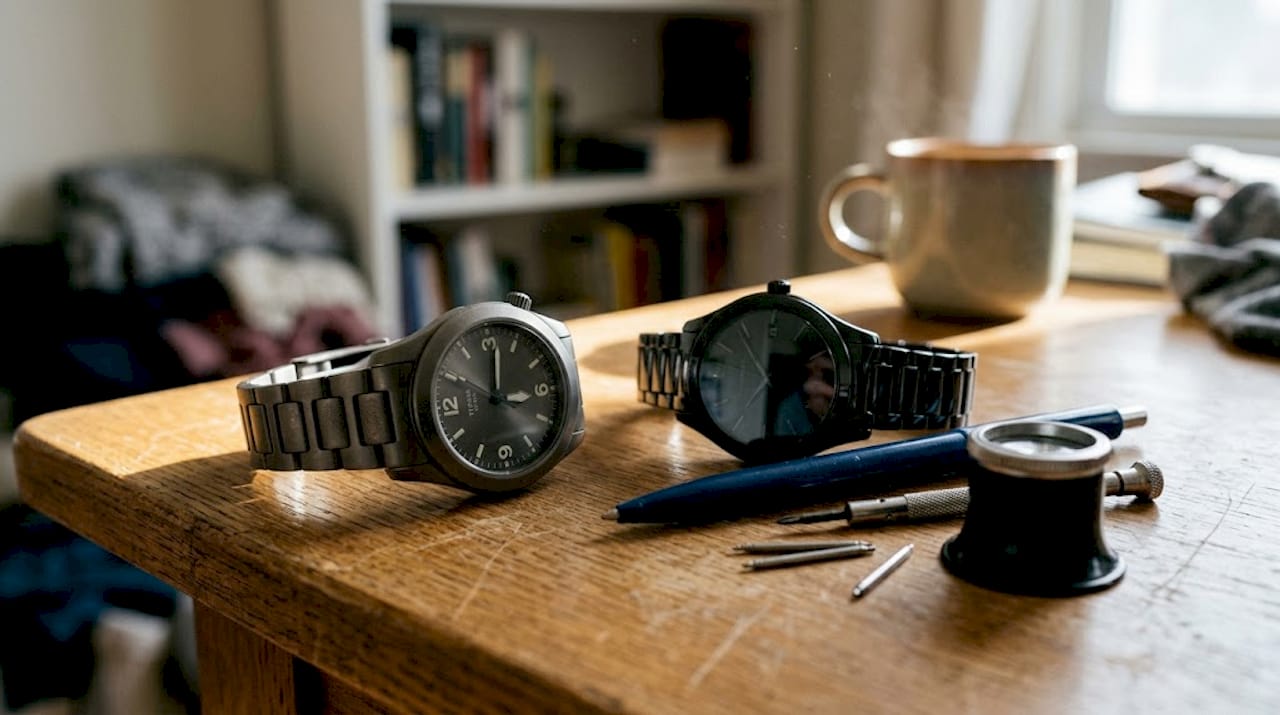
Ceramic is the material that surprises collectors most often. Four times harder than steel and highly scratch-resistant, lightweight, hypoallergenic, and UV-resistant, ceramic sounds almost perfect. The caveat is brittleness: ceramic can chip or crack if dropped hard enough, which steel simply absorbs. Rolex’s Cerachrom bezel and Chanel’s J12 remain the most celebrated examples of ceramic’s visual possibilities.
Standout properties of modern materials:
Titanium: Exceptional lightness, natural corrosion resistance, hypoallergenic, matte finish that conceals wear.
Ceramic: Near-perfect scratch resistance, vibrant and consistent colour, retains polished finish for years, but must be handled with care.
Carbon composites: Emerging material, extremely light and unique in texture, currently limited to avant-garde brands.
For collectors focused on mechanical mastery and material choice, titanium and ceramic represent the logical next step beyond traditional metals, offering genuine functional advances rather than simply a different look.
Pro Tip: Pair a titanium case with a rubber or integrated bracelet for everyday comfort. The weight savings across case and strap combined make a titanium sports watch feel almost effortless on long days.
Head-to-head: comparing watch material performance
With the specifics of each material clear, a direct comparison reveals the strategic advantages for different collecting approaches.
Material | Hardness | Weight | Scratch resistance | Hypoallergenic | Prestige level | Best use case |
Stainless steel | High | Medium | Good | Mostly | High | Daily wear, sport, dress |
Gold (18K) | Low-medium | Heavy | Poor | Yes | Very high | Dress, investment |
Bronze | Medium | Medium | Moderate | No | Niche | Heritage, patina collectors |
Titanium | High | Very light | Good | Yes | High | Sports, tool watches |
Ceramic | Very high | Light | Excellent | Yes | High | Contemporary, sport |
The table makes one thing immediately clear: no single material is superior across all criteria. Choice depends entirely on intended use. Steel and titanium suit daily wear; ceramic is the benchmark for scratch-proof elegance; gold anchors prestige collecting; bronze rewards patience.
Case shape matters too. Rectangular cases stress their corners differently than round ones, which means ductile steel tends to outperform brittle ceramic in complex or angular designs. Collectors eyeing tonneau or cushion-shaped pieces should keep this in mind.
Collector scenarios by material:
Sports collector: Titanium or steel for resilience and comfort.
Dress and formal collector: Gold or platinum for undeniable presence.
Heritage collector: Bronze or steel with patina-friendly finishing.
Investment-focused collector: Gold, steel icons, or ceramic references with limited production histories.
Checking the true value indicators for any piece you are considering will help you see how material interacts with model history and brand provenance in the resale market.
Material and value: how choices affect investment potential
Material selection is one of the most direct levers a collector can pull when building a portfolio with resale potential in mind.
Precious metals carry inherent commodity value. A solid gold Patek Philippe retains a price floor simply because of its metal content, regardless of current trends. That floor provides comfort when markets soften. Precious metals justify premiums consistently, while modern composites increasingly challenge them through performance and innovation.
Key value dynamics by material:
Gold and platinum: Strong baseline resale supported by commodity pricing. Less dependent on fashion cycles.
Steel icons: Rolex Daytona in steel has famously outperformed its gold equivalent in certain periods, proving that desirability trumps material cost.
Ceramic: Holds value well in contemporary references; rarer colourways command premiums.
Titanium: Strong collector interest but typically softer resale than precious metals unless tied to a landmark reference.
Bronze: Passionate niche following; resale is strong within enthusiast communities but narrower overall.
Brand provenance multiplies everything. A limited-edition titanium piece from Audemars Piguet will outperform a gold watch from a lesser marque almost every time. Material is the foundation, not the ceiling.
Pro Tip: Pair rare alloys or limited-edition materials with brands respected for genuine innovation. That combination tends to produce the strongest long-term investment performance in our experience at Horology Kings.
For collectors considering selling, understanding discreet selling methods protects both privacy and proceeds. And studying brand value impact reveals how much a manufacturer’s reputation shapes what material alone cannot.
Expert perspective: why your best watch might not be the most precious
After years of handling exceptional timepieces at Horology Kings, one truth stands above the technical data: the watches that collectors remember most are rarely defined by their material alone.
Some of the most talked-about auction results involve steel references or even early plastic-cased pieces that carry extraordinary provenance. A Rolex worn by someone significant, a Patek handed down through three generations, or a steel Heuer connected to a particular race: these command prices that gold alone cannot justify.
Material creates the foundation. Story creates the ceiling.
This is not to dismiss material as irrelevant. Choosing poorly from a material standpoint leads to maintenance headaches, discomfort, and disappointing resale outcomes. But becoming so fixated on precious metals that you overlook a historically significant steel or ceramic piece is its own kind of error.
Understanding watch provenance essentials allows you to see past the surface and evaluate what truly drives a watch’s long-term desirability. The most satisfying pieces in any collection tend to be the ones that felt right at the time of purchase, regardless of what they were made from.
Source and care for your next prized timepiece
Knowing your materials is only half the journey. Finding the right example in the right condition, at the right price, requires access to a trusted network and the kind of specialist knowledge that only comes from experience.

At Horology Kings, we help collectors across the UK match their material preferences to the right piece, whether that means sourcing a ceramic Rolex, locating a rare bronze Panerai, or securing a pristine gold Patek Philippe. Our team offers expert valuations, discreet transactions, and full transparency throughout the process. If you are ready to act on what you have learnt here, source a luxury watch through our specialist network, or explore our servicing and repair options to keep your existing collection in peak condition.
Frequently asked questions
Which watch material offers the best balance of durability and prestige?
Stainless steel provides excellent durability at an accessible price point, while 18K gold delivers prestige but is soft, prone to scratches, and heavy, requiring more careful maintenance.
Are ceramic watches suitable for daily wear?
Ceramic watches are highly scratch-resistant and hypoallergenic, making them well-suited to regular use, but brittle on hard impact means a dropped watch risks chipping, so mindful wear is advisable.
How does titanium compare to steel for collectors?
Titanium is 30 to 45 percent lighter and fully hypoallergenic, making it ideal for comfort-focused and sports-oriented collectors, while steel offers greater versatility across case shapes and a longer resale track record.
Do watch materials affect resale value?
Precious metals justify premiums reliably, but material desirability shifts with trends and is always amplified or diminished by model rarity and brand reputation.
Does bronze discolour skin or clothing?
Bronze watches can cause initial skin discolouration due to oxidation, but a unique patina develops over time that many collectors actively embrace and that reduces the reactive contact with skin.
Recommended
Comments