.png)

Why gift watches are harder to sell: the real reasons
- lewisvrichards3
- 22 hours ago
- 7 min read
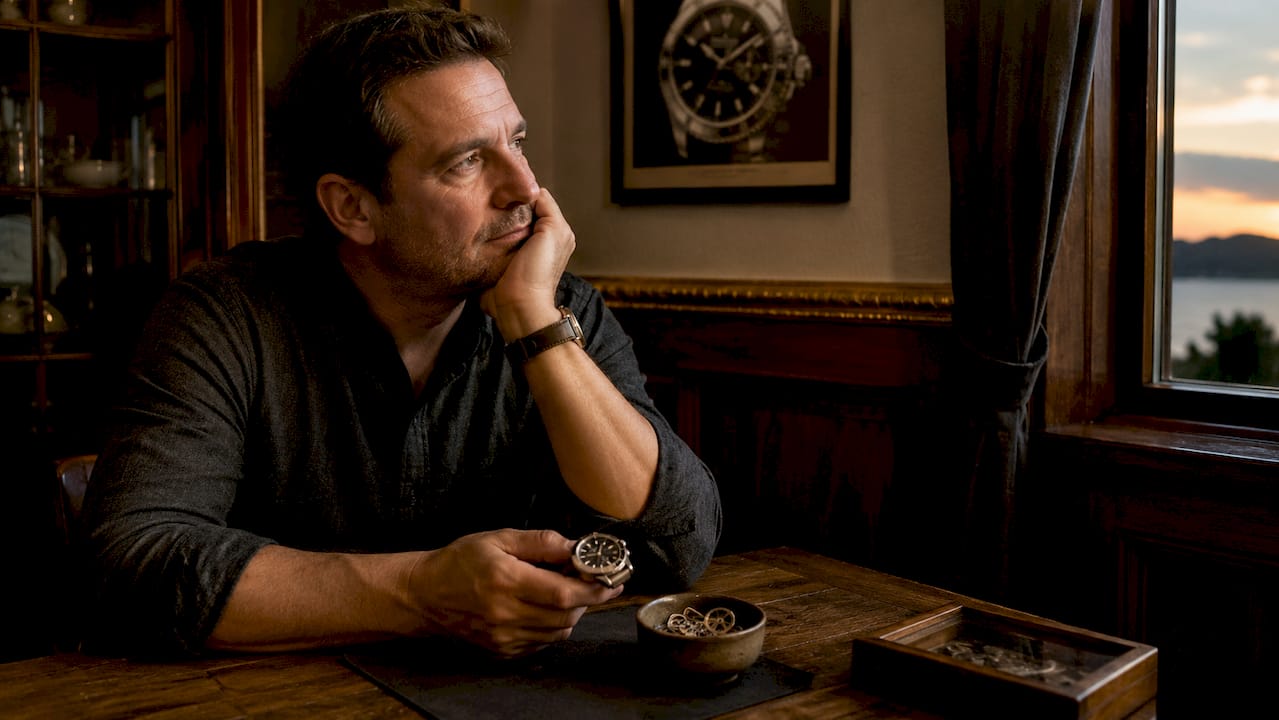
Gifted luxury watches are consistently harder to sell than personally purchased ones, and the reasons go well beyond simple preference. Return rates for gifted watches can run double those of self-purchased timepieces, a gap driven by emotional disconnects, missing documentation, and a secondary market that rewards personal conviction over good intentions. A Rolex Submariner chosen by someone who spent months researching it carries a narrative that commands buyer confidence. The same reference received as a birthday gift, stored unworn, and sold without its original box tells a very different story to the market.
The core problem is this: self-purchased watches arrive with provenance, passion, and paperwork. Gift watches often arrive with none of the three.
Emotional attachment is absent, reducing the seller’s ability to speak credibly about the piece
Missing box, papers, and warranty cards can reduce resale value significantly
Brands like IWC and Panerai face grey market discounting that compounds resale difficulty
Personalisation such as engraving narrows the buyer pool considerably
Warranty transfer complications arise when the original purchaser is unavailable
Rolex, Patek Philippe, and Audemars Piguet retain stronger resale positions, but even these are affected by documentation gaps
Table of Contents
Why selling a gifted watch feels harder than it should
The emotional weight of a gifted watch is the first obstacle most sellers underestimate. Gratitude and guilt create a paralysis that delays action, sometimes by years, and a watch that sits unworn in a drawer is a watch whose condition and market timing both deteriorate quietly.
There is also what specialists call the personalisation paradox. Gift givers choose watches based on their perception of the recipient, not the recipient’s actual collector preferences. Two people might both appreciate sports watches, yet one wants specifically a Patek Philippe Aquanaut for its technical complexity while the other has spent years waiting for an Audemars Piguet Royal Oak. These distinctions are invisible to most gift givers, but they define everything in the secondary market.
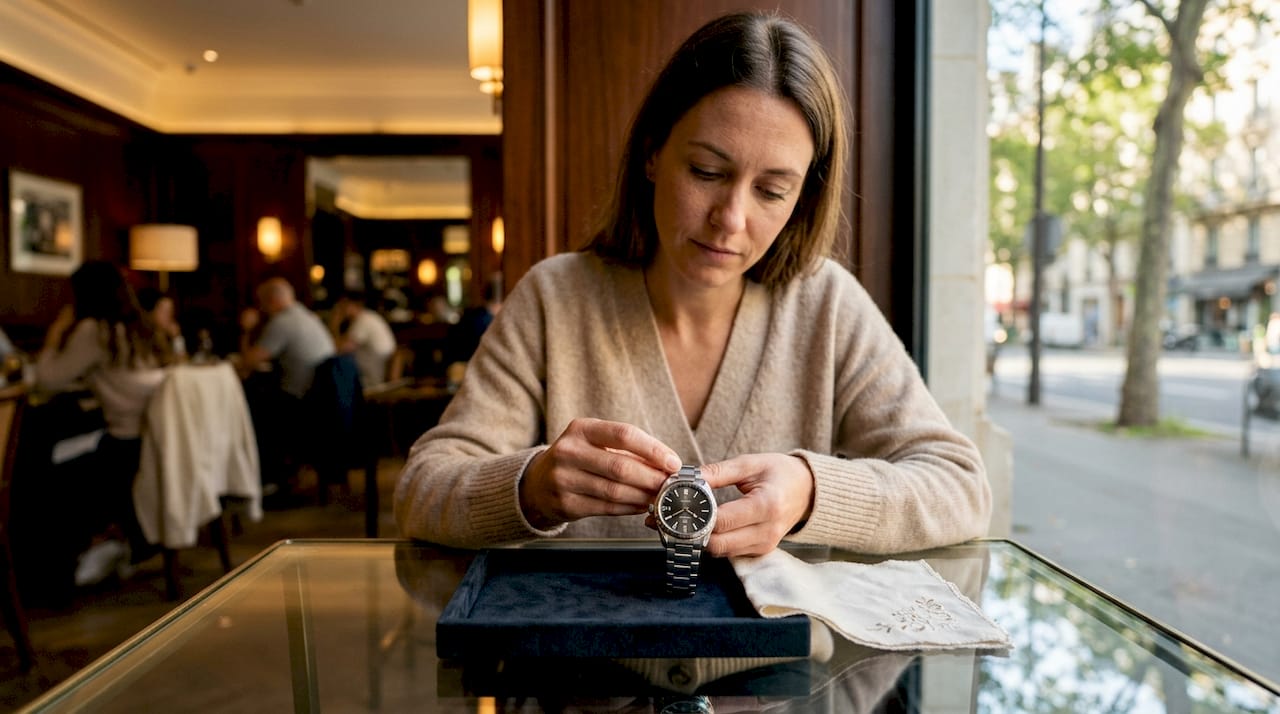
The market polarisation between brands adds another layer. Mid-tier brands like IWC and Panerai have seen grey market discounting push prices well below retail, with Panerai’s average price dropping from CHF 12,800 to CHF 10,900 over eight years as volumes fell and unsold stock leaked onto the grey market. For a recipient trying to sell a gifted IWC or Panerai, that grey market overhang makes fair pricing genuinely difficult. Rolex, Patek Philippe, and Audemars Piguet sit in a different position entirely, with select references trading at or above retail, but even these benefit far less when documentation is incomplete.
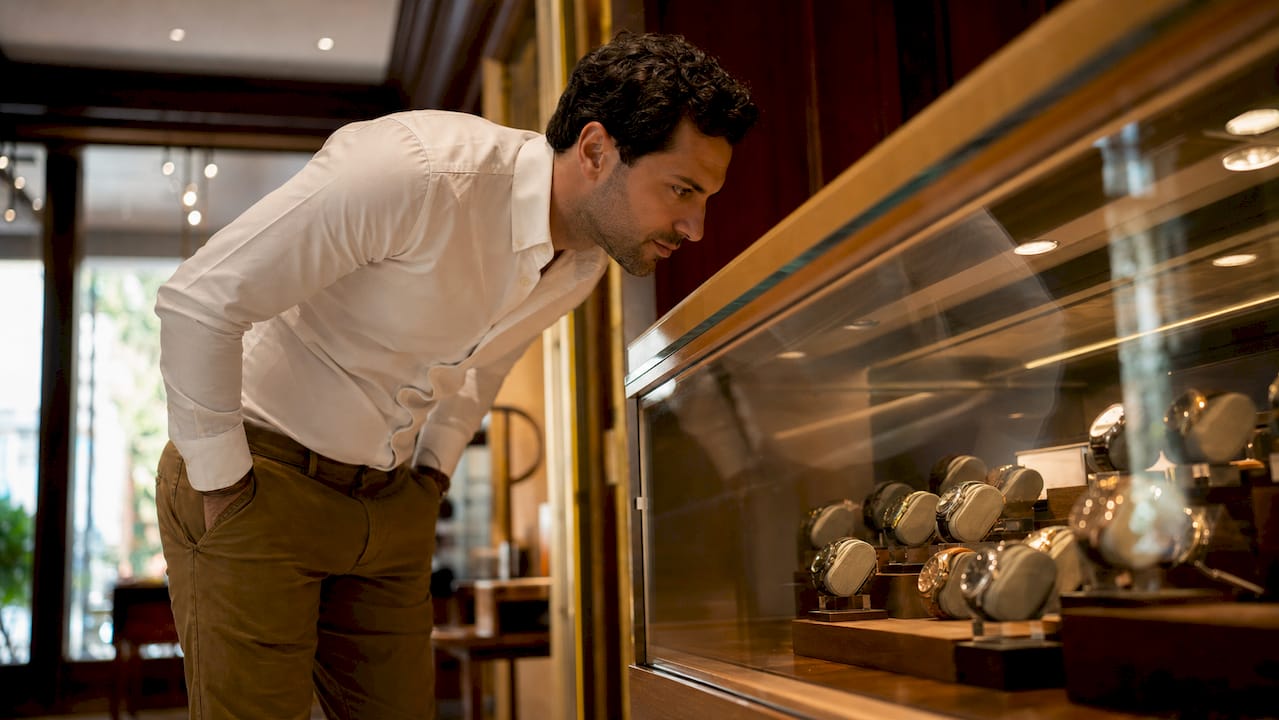
Direct-to-consumer brand sales have made this worse. When a watch is purchased online or through a brand’s own boutique rather than an authorised retail partner, the recipient has no local jeweller relationship to fall back on for authentication support or servicing history. That absence of a retail paper trail is something professional buyers notice immediately.
Pro Tip: If you have received a gifted watch and are considering selling, act before emotional delay compounds the problem. A watch stored unworn for several years may develop service needs that reduce its value further, and market conditions for specific brands shift.
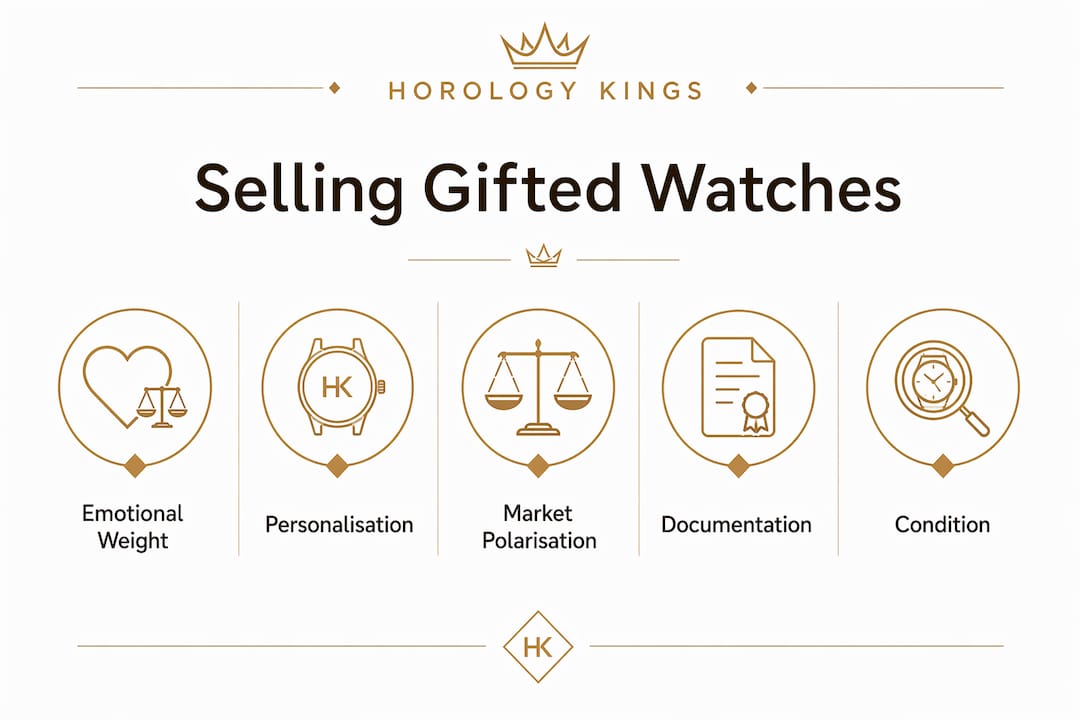
Authenticity, condition, and documentation: what buyers actually check
Professional buyers scrutinise three things above all else: authenticity, condition, and documentation. Gifted watches tend to be weaker on all three compared to self-purchased pieces.
Missing original box and papers is the most common issue. Without full documentation, professional buyers question provenance immediately, and a 10–30% value reduction is a realistic expectation rather than a worst case. For a watch originally retailing at £15,000, that gap is material.
Box and papers: original packaging, warranty card, and any service receipts establish legitimacy and command premium pricing
Authenticity verification: without a retail purchase history, buyers rely entirely on physical inspection, which raises scrutiny and can slow or block a sale
Condition grading: gifted watches often receive indifferent care, with case polishing, bracelet stretch, or crystal scratches reducing value by 15–40% depending on severity
Warranty transfer: some manufacturer warranties are non-transferable or require proof of original purchase, which gift recipients rarely hold, limiting full service options at the point of sale
Personalisation: custom engravings or modified components narrow the buyer pool to those willing to overlook or remove personalisation, which most collectors are not
Condition can be the deciding factor between a smooth sale and a prolonged negotiation. A Rolex Daytona in excellent condition and a Rolex Daytona in fair condition are not the same proposition to a buyer, even when the reference number is identical. For gifted watches that have been worn occasionally without proper care, the condition gap is often wider than sellers expect.
Pro Tip: Before approaching any buyer, use a watch authentication checklist to assess what documentation you have and identify any condition issues. Knowing your watch’s position honestly before valuation conversations begin puts you in a stronger negotiating position.
Where and how to sell a gifted watch in the UK
The UK secondary market for luxury watches is active and well-structured, but the right channel depends heavily on the brand, condition, and documentation available.
Specialist dealers: offer speed, expertise, and fair valuations for well-documented pieces. For gifted watches with incomplete paperwork, a specialist dealer who can authenticate independently is often the most practical route
Online marketplaces: platforms connecting private sellers with buyers globally can yield strong prices for desirable references, but require the seller to manage authentication queries and buyer trust independently
Auction houses: suited to rare or high-value pieces, typically above £20,000, where the auction premium justifies the 3–6 month timeline and seller’s commission
Private sales: can return the highest net price but carry the greatest risk, particularly for sellers without established collector networks
Approaching multiple buyers before committing to a sale is the single most effective way to understand true market value. A single quote from one channel, particularly a local jeweller unfamiliar with the secondary market, frequently undervalues gifted watches. Getting three separate valuations from a specialist dealer, an online platform, and a private buyer gives a realistic price range.
For gifted watches from Rolex, Patek Philippe, or Audemars Piguet, the UK resale market remains liquid even with documentation gaps, though the price achieved will reflect those gaps. For mid-tier brands, the channel choice matters more because buyer pools are smaller and pricing expectations need careful management from the outset.
Sellers should also consider servicing an unserviced watch before listing, particularly if the piece has not been worn or maintained. A recently serviced watch with documentation of that service can partially offset the absence of original papers in buyer negotiations.
Expert insights from Horology-kings on selling gifted watches
The most consistent mistake sellers of gifted watches make is approaching the sale as though the watch’s retail price is the baseline. It is not. The baseline is current secondary market value for that specific reference, in that specific condition, with whatever documentation exists.
Transparency about a watch’s provenance, including the fact that it was received as a gift, is not a weakness in a sales conversation. Professional buyers already account for documentation gaps in their valuations. Concealing the gift origin and then having it emerge during authentication creates distrust and can collapse a sale entirely.
Horology-kings works with sellers across the UK who face exactly these circumstances. The process begins with an honest assessment: what is the reference, what documentation exists, and what is the realistic market position given both. From there, the valuation reflects actual secondary market conditions rather than retail sentiment.
For watches from Rolex, Patek Philippe, and Audemars Piguet, even gifted pieces with incomplete documentation tend to find buyers when the authentication is handled professionally. The brand equity carries weight. For IWC, Panerai, and similar mid-tier brands facing grey market pressure, realistic pricing from the outset avoids the frustration of a prolonged sale.
The practical steps that consistently produce better outcomes are straightforward: gather every piece of documentation available, have the watch professionally authenticated, obtain at least three valuations, and be transparent with buyers about provenance. Sellers who follow this process, rather than approaching a single buyer with inflated expectations, achieve faster and fairer results.
Horology-kings: trusted expertise for gifted watch sales in the UK
Selling a gifted luxury watch in the UK is genuinely more complex than selling a piece you purchased yourself, but it is far from impossible with the right support.
Horology-kings offers free, no-obligation valuations for luxury watches across all major Swiss brands, including Rolex, Patek Philippe, Audemars Piguet, IWC, and Panerai. Based in Hertfordshire and serving clients across the UK, the team handles the authentication, documentation review, and buyer matching that gifted watch sellers typically find most challenging. There are no lengthy processes or pressure to accept the first figure offered. Payment is made via secure UK bank transfer, and every transaction is handled with the discretion that a high-value sale warrants. If you have a gifted watch you are ready to sell, get a free valuation from Horology-kings and find out exactly what it is worth in today’s market.
Key takeaways
Gifted luxury watches are harder to sell primarily because they lack the documentation, emotional provenance, and personal narrative that professional buyers use to assess value and authenticity.
Point | Details |
Documentation gap | Missing box and papers can reduce resale value by 10–30%, a direct cost of the gift context. |
Brand matters significantly | Rolex, Patek Philippe, and Audemars Piguet retain stronger resale positions; mid-tier brands face grey market pressure. |
Emotional delay costs money | Gratitude and guilt cause sellers to hold gifted watches too long, risking condition decline and missed market timing. |
Multi-channel valuation | Approaching multiple buyers, not just one, is the most reliable way to establish fair market value. |
Horology-kings | Offers free UK valuations and handles authentication and buyer matching for gifted watch sellers. |
Recommended
Comments